
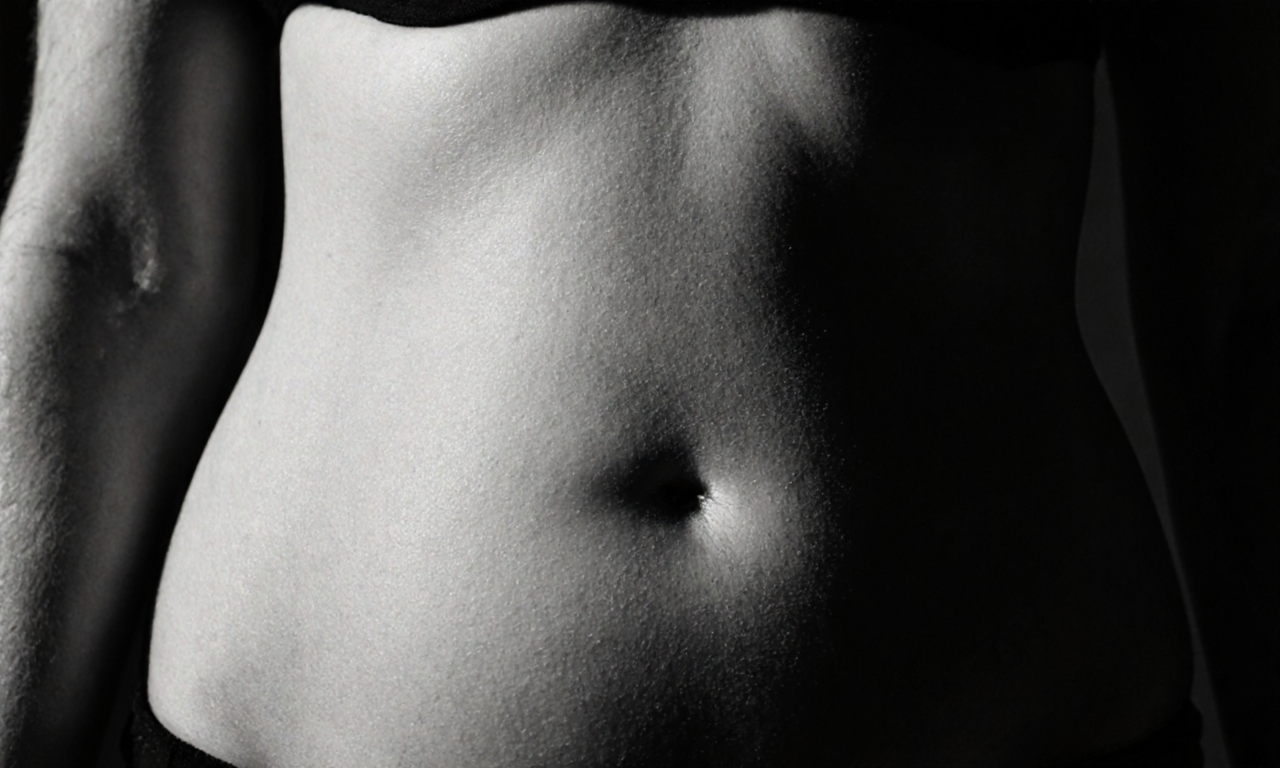
Abdominoplasty
Restore a smoother, firmer abdominal contour and a more balanced silhouette.
Procedure Overview
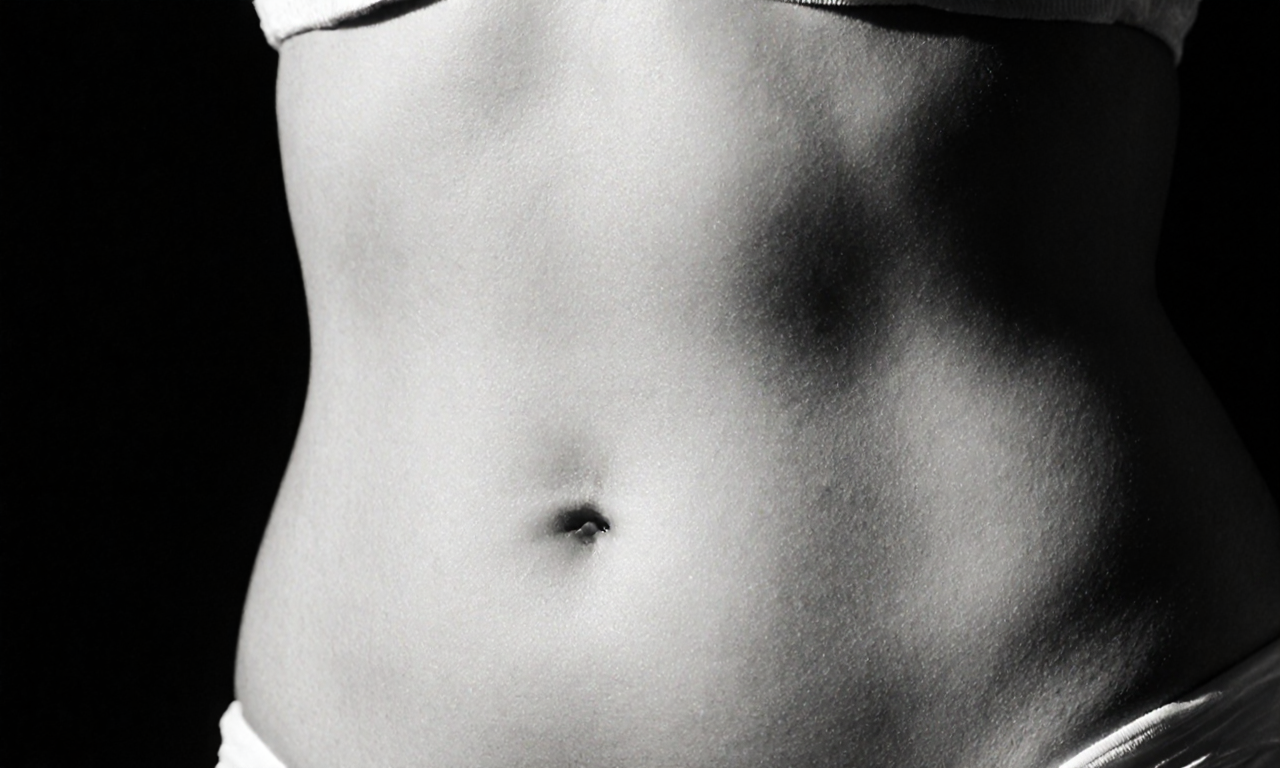
An abdominoplasty, or tummy tuck, is a surgical procedure designed to reshape and refine the abdominal area by removing excess skin and fat while tightening the underlying muscles. It can address changes caused by pregnancy, significant weight loss, or simply the passage of time — situations where the skin and muscles have stretched in ways that diet and exercise alone cannot repair. It is often combined with liposuction to achieve the best results.
People often choose this procedure when they are looking for a firmer, flatter abdomen and a more proportionate body shape. For some, this may mean restoring confidence in clothing, while for others it is part of feeling more at home in their body after transformative life events.
What to expect
-
At your consultation, Dr. de Chalain will discuss your goals, examine your abdominal area, and determine whether a standard abdominoplasty, or a circumferential lower body lift is most suitable for your situation. He’ll explain the benefits and limitations of each approach, and in most cases will recommend that you come in for more than one consultation to ensure that all your questions have been answered and you feel fully confident in your decision.
-
Because abdominoplasty is performed under general anaesthetic, you’ll need to abstain from food and drink for a set period beforehand. You will be provided with clear instructions and may also be asked to temporarily stop certain medications. You’ll have the opportunity to ask questions and confirm your post-operative support plans. It’s advisable to have someone available to help you around the home for the first few days after surgery, as the suturing of the abdominal muscle can limit your movement during early recovery.
-
An incision is made low across the abdomen, placed so it can be concealed beneath underwear or swimwear. The surgeon removes excess skin and fat, and if required, repairs and tightens the abdominal muscles. The skin is then redraped and sutured, creating a smoother, flatter contour. The procedure typically takes several hours.
-
You’ll wake up in a recovery area where your comfort and safety are closely monitored. In most cases we ask patients to stay in hospital for 1-2 days after surgery to ensure they are well-cared-for during early recovery. Dressings and a supportive garment are applied to protect the incision and aid initial healing.
-
Most people take 2–4 weeks away from work and daily responsibilities, depending on the extent of their surgery and the nature of their activities. You’ll be advised to avoid strenuous exercise and heavy lifting for several weeks, although you will be able to start a gentle walking programme after about two weeks. You may be asked to wear a compression garment for the first three to five weeks to support healing. Bruising and swelling are normal at first but will gradually improve, with your final results continuing to refine over the following months.
-
Dr. de Chalain will see you for scheduled follow-up visits, usually beginning within the first week after surgery. At these appointments, your healing will be checked, drains and sutures may be removed, and you’ll be given tailored guidance on resuming activity. Multiple follow-up appointments are common, ensuring your recovery is progressing smoothly.
Frequently Asked Questions
-
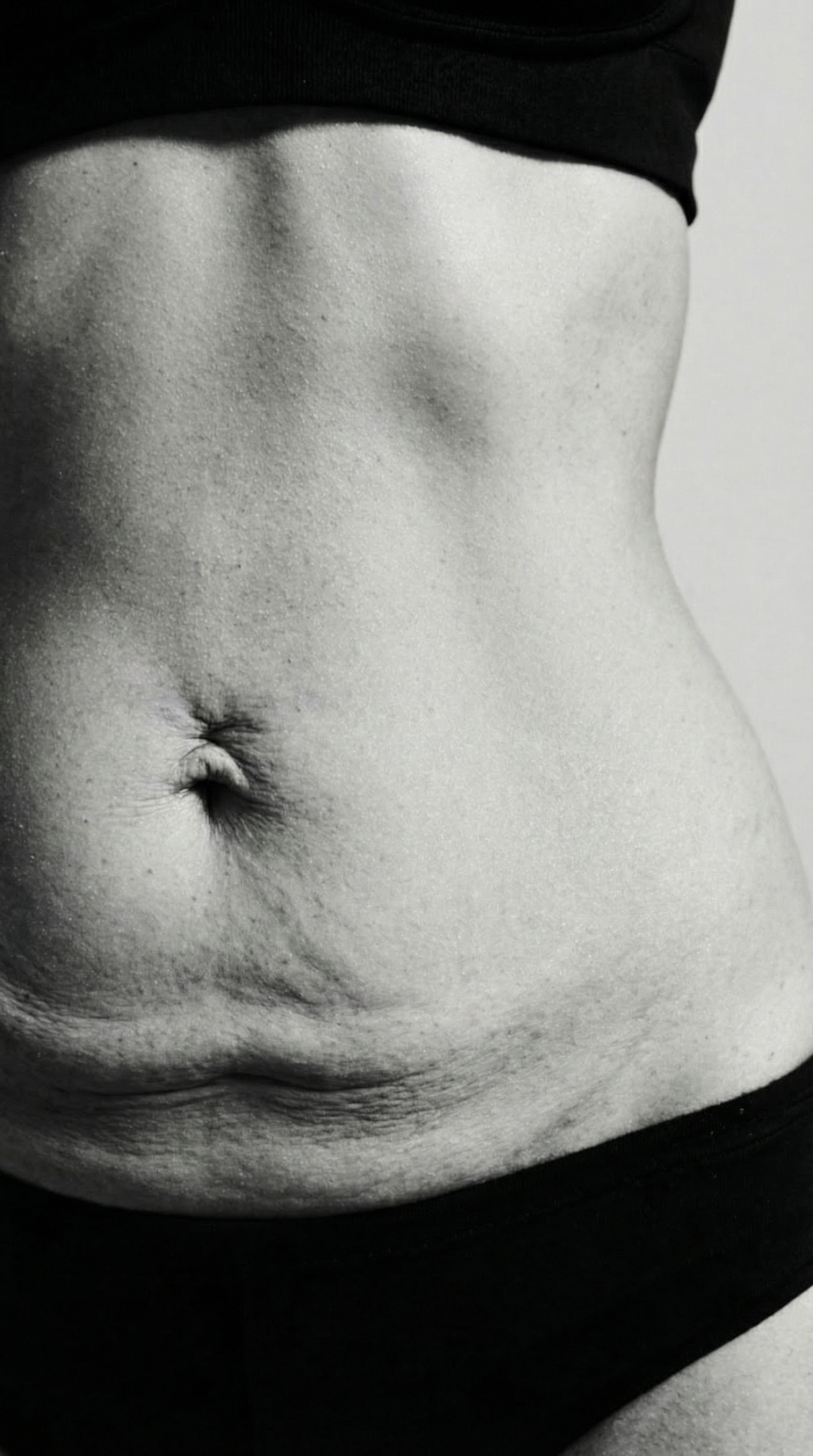
Abdominoplasty is typically suited to people who have loose or excess skin and weakened abdominal muscles, often after pregnancy, significant weight loss, or aging. Ideal candidates are in good general health, at a stable weight, and looking to improve contour rather than lose weight.
-
A tummy tuck is not a weight-loss procedure. It focuses on removing excess skin and tightening the abdominal wall for a smoother, firmer contour. Many people find their clothes fit better and their silhouette looks leaner, but it’s not a substitute for diet and exercise.
-
Yes, if your abdominal muscles have separated (commonly after pregnancy), they can be repaired and brought back together during surgery. This often improves core strength, posture, and abdominal tone.
-
Yes. The incision typically runs low across the abdomen, usually from hip to hip, and is placed so it can be hidden by underwear or swimwear. Scars generally fade significantly over time, though their appearance varies between individuals.
-
Recovery usually takes several weeks. Most people return to light daily activities after about 2 weeks and more strenuous activity after 4–6 weeks. Swelling and tightness are normal in the early stages and gradually improve as healing progresses.
-
Yes. Wearing a compression garment helps support healing, minimize swelling, and shape the abdomen in the first few weeks after surgery. Dr. de Chalain and our expert team will guide you on how long to wear it.
-
The results of abdominoplasty are long-lasting, especially if you maintain a stable weight and healthy lifestyle. However, natural aging and future pregnancies can affect the abdominal contour over time.
-
Yes. Many people combine a tummy tuck with liposuction for enhanced contouring. It’s also commonly part of a “mummy makeover” when done alongside procedures like breast surgery. If this is something you’re interested in, Dr. de Chalain can advise on safe combinations.
-
Costs vary depending on the approach taken, whether it’s combined with other procedures, and your individual anatomy. A detailed quote will be provided after your consultation. In some cases abdominoplasty may be eligible for full or partial cover under some health insurance plans. For more information on how we price our procedures, see our Pricing Information page.

Get In Touch
Want to learn more or ready to
book a consultation?