
Brow Lift
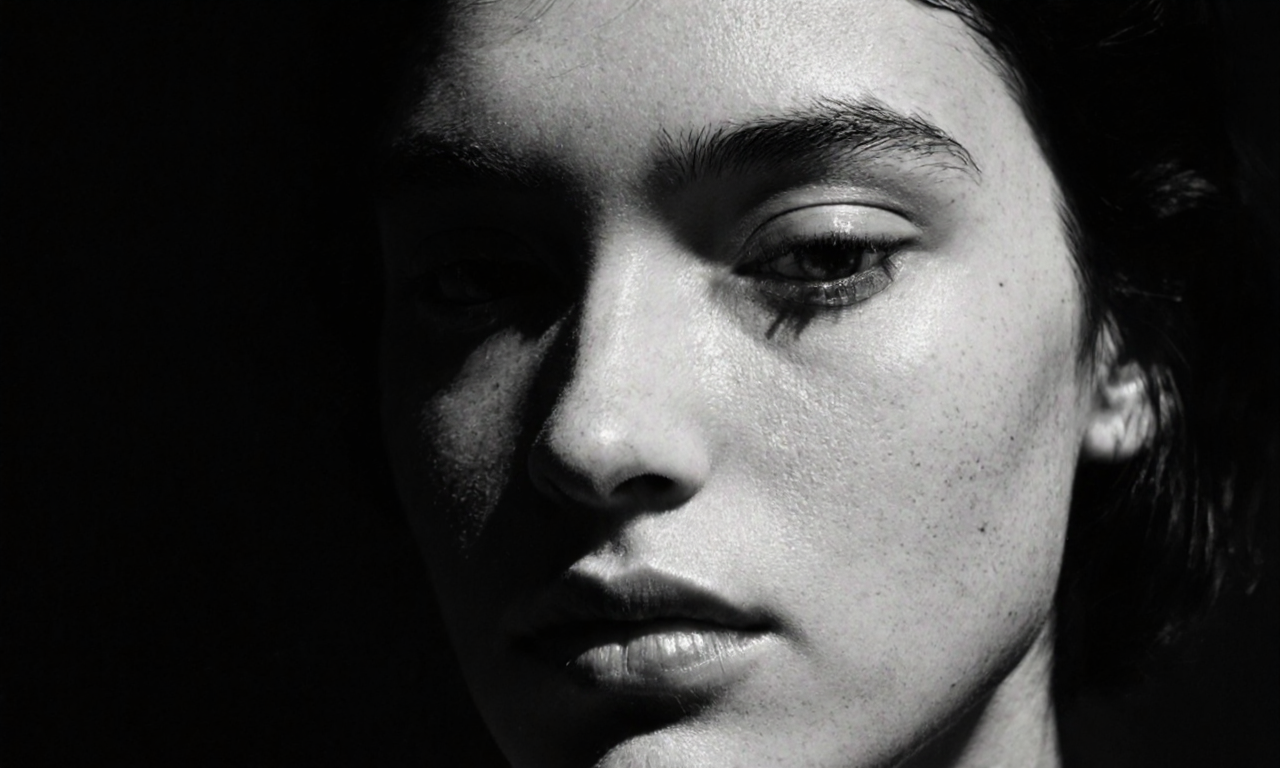
A subtly lifted brow can open the eyes and refresh your expression, creating a natural, harmonious balance.
Procedure Overview
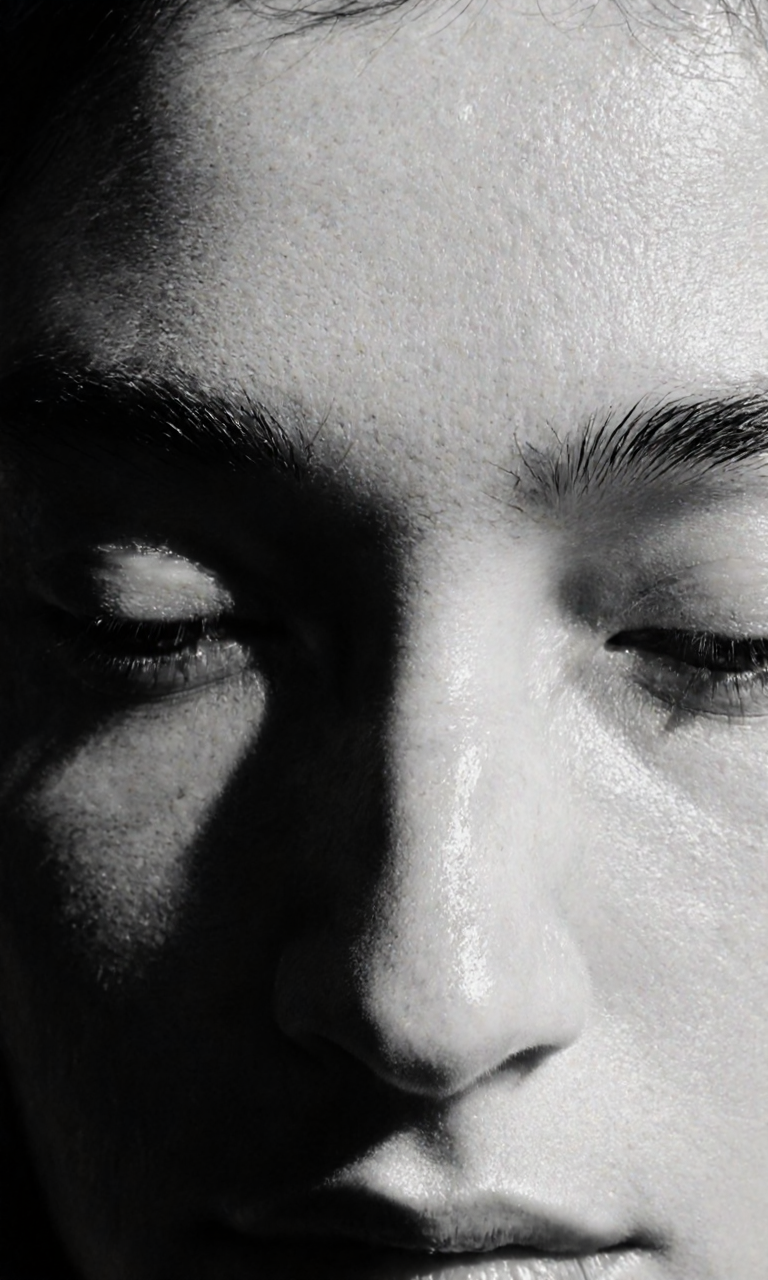
A brow lift, sometimes called a forehead lift, is designed to gently refresh the upper face by lifting a heavy or drooping brow and smoothing lines across the forehead. Over time, the skin and underlying tissues in this area can lose elasticity, creating a tired or stern appearance.
By subtly repositioning the muscles and skin, a brow lift helps open the eyes, soften frown lines, and restore a natural, harmonious expression. This procedure is often performed alongside complementary treatments such as a facelift, neck lift, eyelid surgery, or laser resurfacing to achieve balanced, seamless results.
In some cases, heaviness or a downturned look around the eyes is best addressed with a brow lift rather than eyelid surgery alone. When combined, an upper blepharoplasty and brow lift can create a more elegant and rejuvenated appearance while preserving your unique features.
What to expect
-
There are a number of different surgical techniques that fall under the “brow lift” umbrella, and during your initial consultation, Dr. de Chalain will work with you to understand your goals so that he can decide which approach will best suit your features. In some cases he may also recommend complementary procedures such as an upper blepharoplasty to ensure you achieve the best possible result.
-
Depending on the approach taken, your brow lift may be performed under general anaesthetic, in which case you will be asked to avoid food and drink for a set period beforehand. Your surgeon will provide clear guidance on any adjustments to medications, supplements, or lifestyle factors to help minimise risk and support a smooth recovery. It’s also wise to plan practical support at home for the first few days. These preparations ensure you can focus fully on rest and healing after your procedure.
-
In most cases a brow lift is performed through small incisions made in the scalp, one on each side of the temple, just inside the hairline. The ligaments anchoring the skin and tissue are released surgically, and the skin and tissue is then lifted and re-anchored to the skull using sutures or occasionally small surgical screws. If required, excess fat may also be removed from the area at the same time.
-
Once the tissue has been lifted the incisions are sutured closed and a light bandage is applied to the area. This bandage can be removed 24-48 hours after surgery, and you will be provided with care instructions on discharge from the clinic.
-
Following surgery you are encouraged to sleep with your head in an elevated position for the first week to minimise bruising and swelling. Ice can be applied to the area to further reduce swelling and bruising, although it is important not to place ice directly in contact with the skin, but to instead wrap it in a plastic bag and a towel so that it produces a pleasant cool rather than a stinging cold. Even with appropriate precautions some bruising and swelling is likely, although this usually dissipates within 7-10 days and can be camouflaged with surgery-safe mineral makeup (available in-clinic).
-
You will be asked to attend our clinic on an outpatient basis to be monitored post-operatively, so that we can ensure you are healing correctly and can address any concerns you may have. Your sutures (and surgical screws if used) will be removed at a post-operative appointment in our clinic 10-14 days after your surgery.
Frequently Asked Questions
-
A brow lift rejuvenates the entire forehead and brow area, while a temple lift focuses only on the outer brow and upper cheek. Eyelid surgery (blepharoplasty) removes excess skin or fat from the eyelids themselves but doesn’t lift the brows. Dr. de Chalain will help you determine which approach best suits your anatomy and goals.
-
It addresses drooping brows, deep forehead lines, frown lines between the eyebrows, and the tired or stern expression that can develop as the brows descend with age.
-
There are several approaches. The most common is the endoscopic brow lift, which uses small incisions hidden in the hairline and a camera to lift the underlying tissues. Other methods include the coronal (traditional) lift or pretrichial lift for patients with higher foreheads. Dr. de Chalain will choose the technique that best suits your facial structure and hairline.
-
Incisions are typically hidden within the hairline or along natural creases. These allow access to gently lift and secure the brow tissues while smoothing the forehead. Once healed, scars are usually inconspicuous.
-
Recovery is generally straightforward. Most patients experience mild swelling or tightness for about a week. Light activities can resume after several days, and most people feel comfortable returning to work within 7–10 days. Bruising is typically minimal.
-
No, the goal is to restore a naturally refreshed, approachable look, not to alter your expression. Modern brow lift techniques lift in a gentle, controlled way to avoid an over-elevated or “surprised” appearance.
-
Results typically last 8–12 years. While natural ageing continues, the brows usually remain higher and more youthful-looking than before surgery.
-
Yes, it’s often performed with eyelid surgery, a temple lift, or laser resurfacing for comprehensive rejuvenation of the upper face. Combining procedures can create a balanced, harmonious result.
-
Costs vary depending on the technique used and whether it’s combined with other procedures. A detailed quotation is provided after your consultation and surgical plan are confirmed. For more information on how we price our procedures, see our Pricing Information page.
Learn More


Get In Touch
Want to learn more or ready to
book a consultation?