

Chin Enhancement
Chin augmentation enhances the balance of your facial profile, creating definition and harmony while maintaining a natural look.
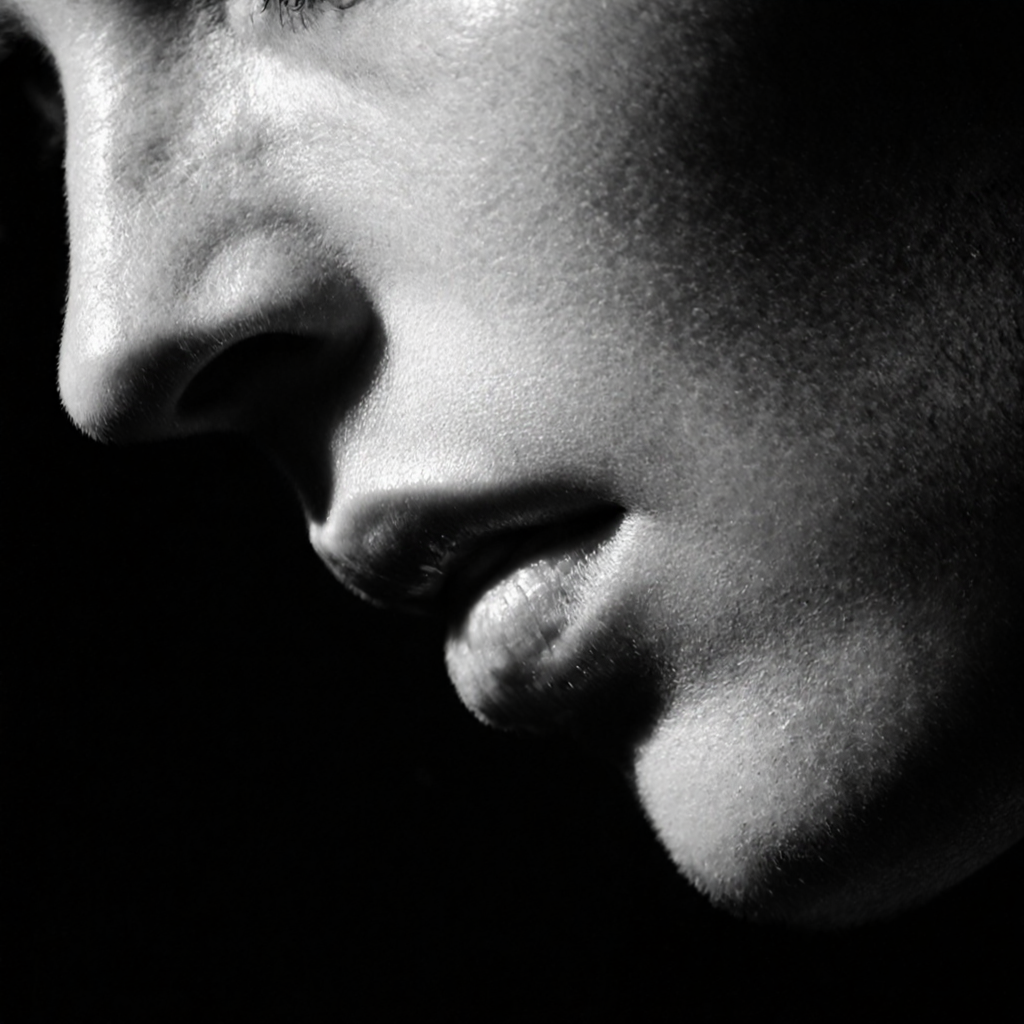
Procedure Overview
The chin plays a central role in overall facial proportion. A recessed or underdeveloped chin can make the nose or neck appear more prominent, while a well-defined chin helps bring the features into balance. Chin augmentation is a tailored procedure that uses either an implant or your own bone structure to create subtle yet significant improvements to the profile.
The goal is not dramatic change, but rather the restoration of symmetry and proportion that feels natural to you. For some, this means strengthening the jawline for a more confident profile; for others, it’s about softening an imbalance to highlight the natural harmony of the face. Chin augmentation is often performed alongside procedures such as rhinoplasty or a facelift to achieve a refined, cohesive result
What to expect
-
During your consultation, Dr. de Chalain will assess your facial proportions and bone structure, discuss your goals, and explore whether an implant or bone reshaping is most appropriate. Photographs or profile simulations may be used to help visualise potential outcomes.
-
Depending on the surgical approach being taken, chin augmentation may be performed under general anaesthetic, in which case you’ll be asked to avoid eating and drinking for a set period beforehand. You may also need to stop certain medications or supplements. Your surgeon will provide clear pre-operative guidance tailored to you.
-
A small incision is typically made inside the mouth or discreetly beneath the chin. Through this, an implant is placed, or bone adjustments are made to refine the chin’s projection and shape. The aim is to create balance without appearing artificial, with incisions carefully placed to minimise visibility.
-
You can usually go home the same day. A light dressing or tape may be applied to support the chin as it heals. Some swelling, tightness, or temporary numbness in the lower lip and chin area are common in the early days.
-
Swelling and bruising generally subside over two to three weeks, with most patients resuming light activities within a week. Your surgeon may advise a soft diet initially if the incision was made inside the mouth. Full results become more apparent as the swelling settles.
-
Follow-up appointments will allow your surgeon to check healing, remove any sutures if required, and ensure your new chin contour is settling smoothly. These visits also provide an opportunity to discuss recovery progress and address any questions.
Frequently Asked Questions

-
A well-proportioned chin helps define the jawline, balance the nose, and create pleasing facial symmetry. Some people naturally have a recessed or small chin, while others notice loss of definition with age. Chin augmentation can enhance structure and confidence while maintaining a natural, refined appearance.
-
The procedure is usually done under local anaesthetic with sedation or general anaesthetic. Chin augmentation can be achieved in two main ways: using a custom-fitted biocompatible implant, or by advancing your own chin bone in a procedure called a sliding genioplasty. Both methods aim for a smooth, balanced contour that complements your existing features.
A small incision is made either under the chin or inside the mouth to place the implant directly over the bone. In some cases, fat grafting may also be used to refine contours or soften transitions around the chin. If using fat grafting, a small amount of your own fat is gently harvested, purified, and injected into the chin for subtle shaping.
-
People who feel their chin is recessed, lacks definition, or throws off facial balance are often good candidates. It’s also an option for those seeking to complement rhinoplasty or other facial procedures for a more proportionate overall result.
-
The change is typically refined and proportionate – enough to enhance definition and profile harmony, but never harsh or obvious. Many people find that others can’t identify the change specifically, only that their face looks more balanced and confident.
-
Most patients experience mild swelling or tightness for the first week. Discomfort is generally minimal and easily managed with simple pain relief. Stitches are removed after 5–7 days (if external), and most people return to work within one week. Swelling gradually settles over several weeks, revealing the final contour.
-
If the incision is made under the chin, the scar is typically very fine and discreet, hidden in the natural crease. When performed through the mouth, there is no external scar at all.
-
Results from both implant-based chin augmentation and sliding genioplasty are long-lasting and stable, as the implant integrates with your natural tissues. Once healing is complete, the improvement in shape and proportion is effectively permanent.
-
Yes. Chin augmentation is often performed alongside rhinoplasty to balance facial proportions, or with neck lift or facelift procedures to define the jawline and profile. Combining treatments allows for a beautifully cohesive and natural result.
-
No. The implant is placed beneath the soft tissues of the chin and does not interfere with muscle movement. You’ll retain completely natural facial expression and sensation once healed.
-
The precise cost will vary depending on the surgical approach taken, your goals and your individual anatomy. A detailed quotation is provided after your consultation and surgical plan are confirmed. For more information on how we price our procedures, see our Pricing Information page.

Get In Touch
Want to learn more or ready to
book a consultation?