
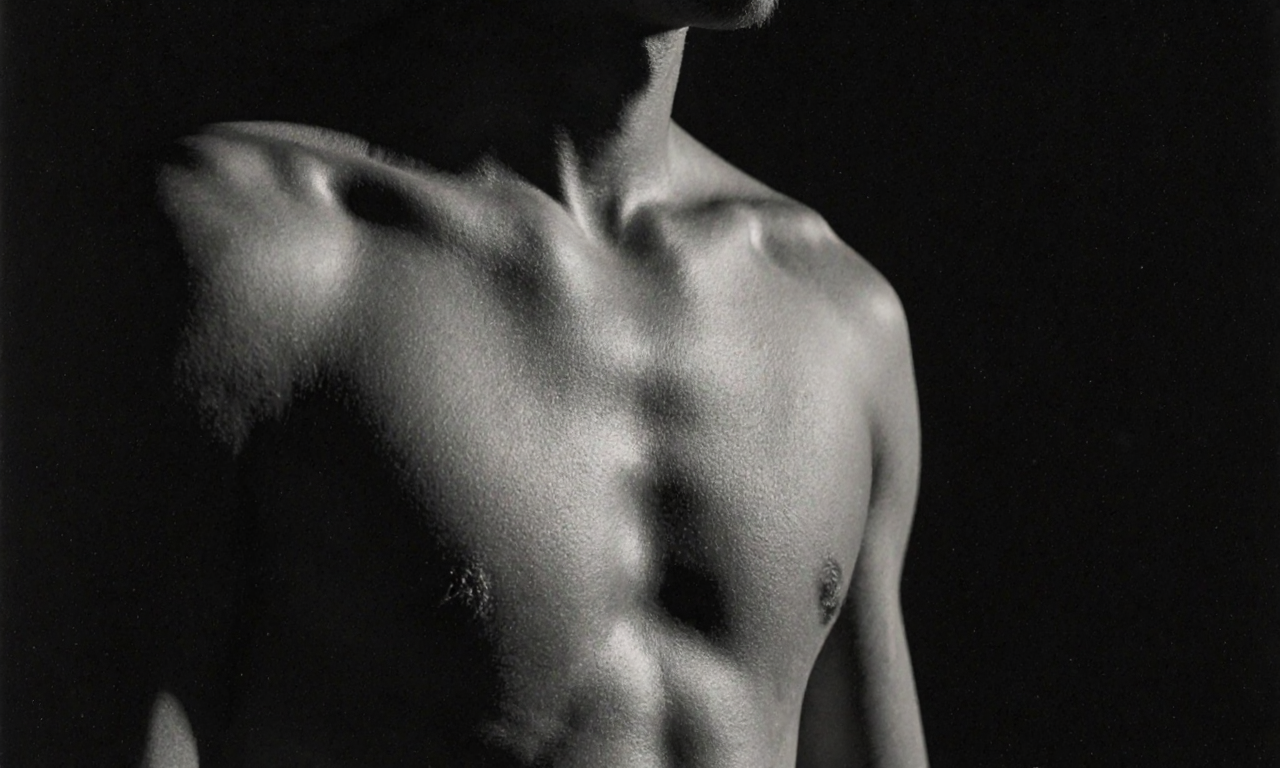
Gynaecomastia
Male breast reduction restores a flatter, more masculine chest contour, helping you feel confident in your body and at ease in your appearance.
Procedure Overview
Gynaecomastia — the presence of excess breast tissue in men — is a common condition that can affect self-confidence at any age. It may be caused by hormonal changes, genetics, weight fluctuations, or certain medications. While exercise and weight loss can reduce fat in the chest, they cannot remove glandular breast tissue.
Male breast reduction surgery addresses this concern by removing excess tissue and reshaping the chest for a smoother, firmer, and more proportionate appearance. The result is a natural, masculine contour that aligns with your frame and supports both comfort and confidence. Many men describe the surgery as life-changing, allowing them to feel more at ease in clothing, during exercise, or simply in their own skin.
What to expect
-
Dr. de Chalain will take a full medical history, assess whether your gynaecomastia is caused by glandular tissue, fat, or both, and discuss your goals. Together, you’ll decide whether liposuction, excision, or a combination of techniques will best achieve a natural, balanced result.
-
Because the procedure is performed under general anaesthetic, you’ll need to fast before surgery and may be asked to adjust or pause certain medications. Dr. de Chalain will provide personalised pre-operative instructions to ensure you are well prepared.
-
The operation typically takes one to two hours. Liposuction may be used to remove excess fat, while small incisions around the areola allow glandular tissue to be excised if needed. The incisions are placed as discreetly as possible to minimise visible scarring.
-
Following surgery, a compression garment is usually applied to support the chest and reduce swelling. Patients may go home the same day, although an overnight stay in hospital is required in some cases. Mild discomfort, bruising, and tightness are normal in the first few days.
-
Light activity can usually be resumed within a few days, though strenuous exercise should be avoided for three to four weeks. By six to eight weeks you should be able to resume most forms of physical activity, including contact sports. Swelling gradually subsides over several weeks, with the final result becoming more defined as the chest heals.
-
You’ll return for follow-up appointments to check your healing and remove sutures if required. Our expert team will guide you on scar care and long-term support to help maintain your results.
Frequently Asked Questions
-
Gynaecomastia can be linked to hormonal imbalances (such as during puberty or with aging), medication side effects, anabolic steroid use, weight gain, or certain medical conditions. A consultation may include medical evaluation to help identify the cause.
-
Good candidates are generally healthy, at a stable weight, and bothered by the appearance of their chest. Surgery can be particularly helpful if gynaecomastia has persisted for more than a year or hasn’t improved with lifestyle changes or medical treatment.
-
Incisions are typically small and placed in discreet areas, often around the areola or under the chest fold. Most scars fade significantly over time and are usually minimally visible once fully healed.
-
Most people can return to light activities and work within about a week. Swelling and bruising usually improve over several weeks. You may be advised to wear a compression garment to support healing and help shape the chest during recovery.
-
Yes, the removed glandular tissue does not grow back. However, significant weight gain, hormonal changes, or certain medications could cause the appearance of fullness to return. Maintaining a stable weight and healthy lifestyle supports lasting results.
-
In mild to moderate cases, skin typically tightens on its own once the excess tissue is removed. If there is a large amount of excess skin, additional skin tightening or lifting may be performed at the same time.
-
Some temporary numbness or altered sensation is common after surgery, but this usually improves over time. Permanent changes are uncommon but possible, especially in more extensive cases.
-
Mild or moderate gynaecomastia is often considered a cosmetic concern and may not be covered publicly. However, if the condition is severe, causing physical symptoms or significant distress, it may be eligible for publicly funded surgery through Te Whatu Ora. Some private health insurance policies may also provide cover, depending on the plan. As a Southern Cross Affiliated Provider, Dr. de Chalain is able to offer insight into your likely eligibility and provide the necessary diagnosis and treatment plan for your claim, but for specific questions about your insurance cover, it’s best to contact your insurance company directly.

Get In Touch
Want to learn more or ready to
book a consultation?