
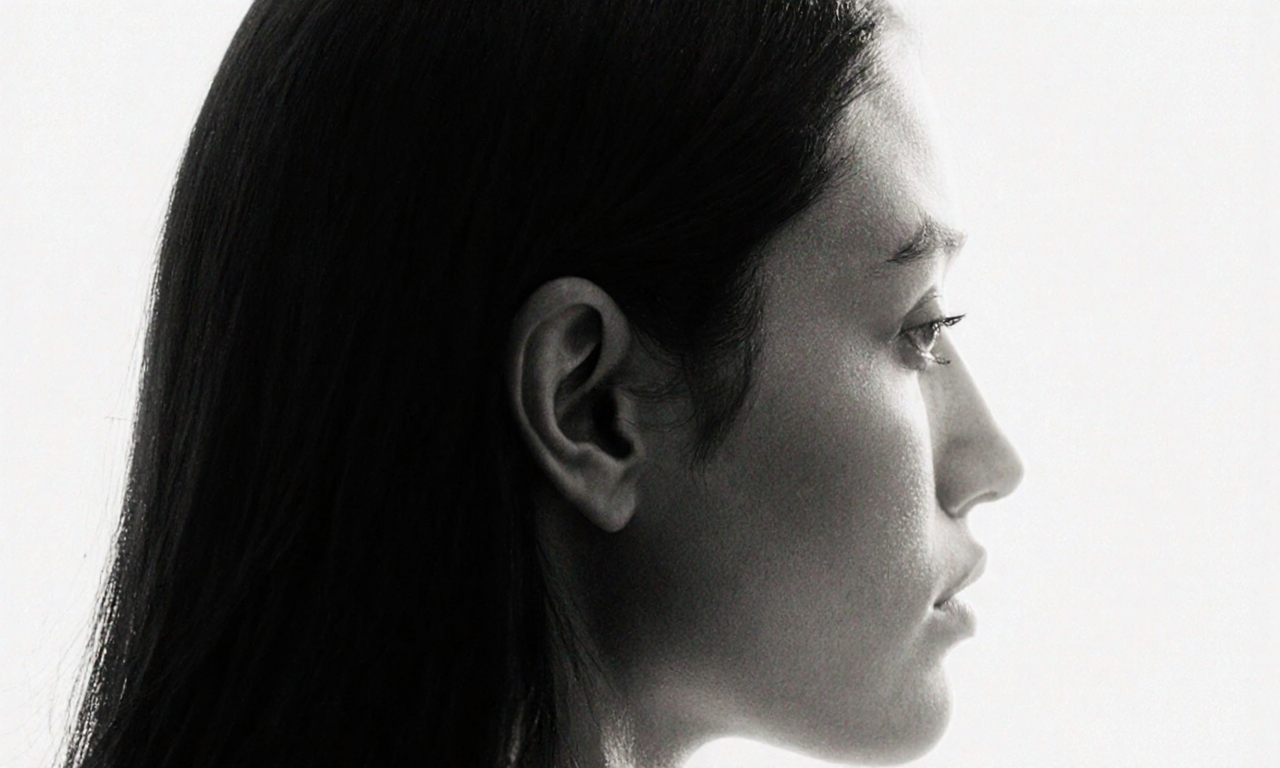
Otoplasty (Ear Surgery)
Prominent or asymmetrical ears can affect self-confidence. Otoplasty creates a natural, balanced shape that complements your face.
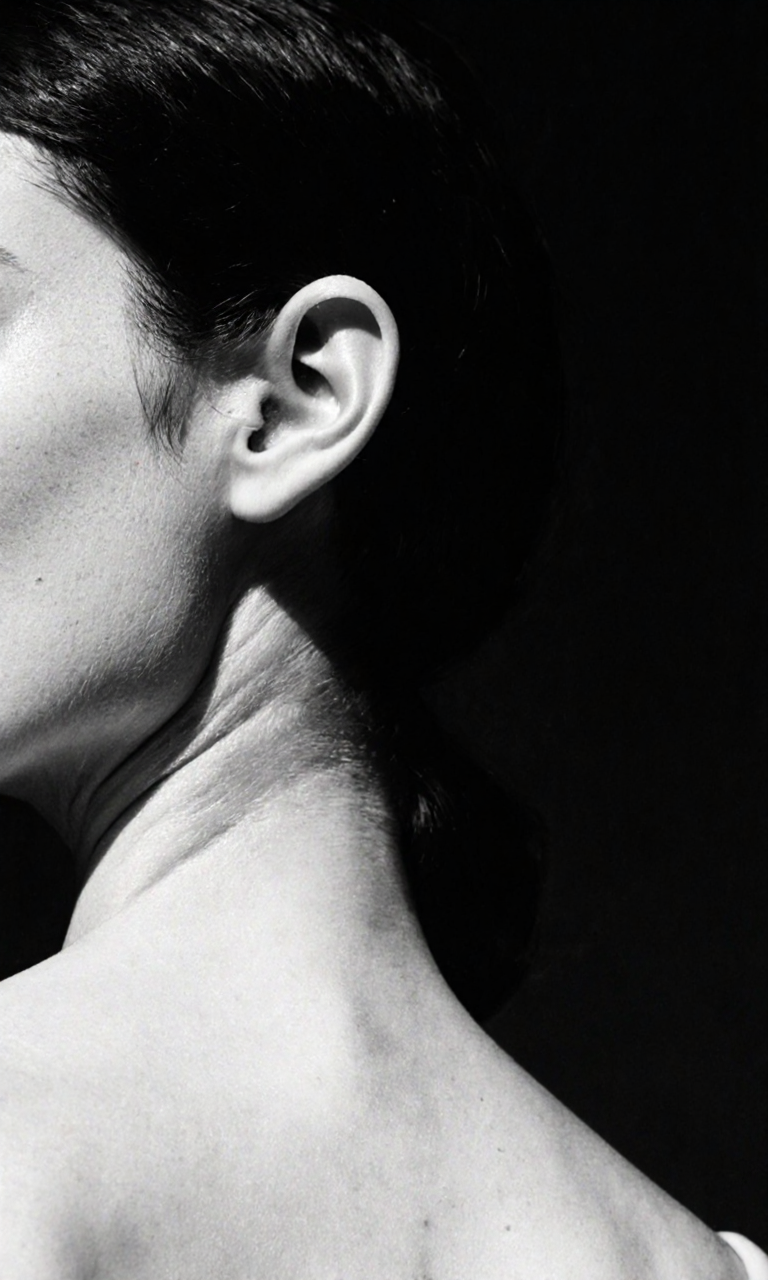
Procedure Overview
The shape and position of the ears can have a surprising influence on overall facial balance. Otoplasty, or ear surgery, refines the ears’ shape, proportion, or placement, creating a look that feels natural and harmonious.
This procedure can address a range of concerns, whether present from birth, revealed with growth, or the result of injury. Common reasons for otoplasty include ears that sit prominently from the head, an underdeveloped fold at the top of the ear, or a smoother-than-usual rim. Surgery can also restore balance to stretched, creased, or split earlobes.
For children, prominent ears can sometimes draw unwanted comments from peers, and many parents choose to seek correction at a young age to protect their child’s self-confidence. Adults, too, often find that ear surgery enhances not only appearance but also self-confidence. Whatever the age, the goal is the same: to bring the ears into gentle balance with the head and face, for a result that feels both natural and understated.
What to expect
-
Your consultation is the first step in deciding whether otoplasty is right for you or your child. Dr. de Chalain will assess the ears, discuss your concerns, and outline the surgical options. For children, we also consider readiness and ensure parents and child feel informed and comfortable before moving forward.
-
You’ll receive tailored instructions to help prepare for surgery. Adults often have otoplasty under local anaesthetic with sedation, while children under 12 usually need a short general anaesthetic. We’ll advise on medication, fasting, and practical arrangements such as transport home and recovery planning.
-
Otoplasty begins with an incision behind the ear so that the cartilage can be exposed. This cartilage is then removed or reshaped until the ear takes on the desired appearance. Excess skin is removed, and if the ear shows protrusion, it will be repositioned closer to the head and firmly secured with non-removable sutures. Surgery typically takes around two hours, although more complex procedures may take longer.
-
A head dressing is applied immediately after surgery. The procedure is usually performed as an outpatient procedure, so you will be able to go home after receiving post-operative care instructions. Swelling and bruising are usually minimal and will start to resolve during the first couple of weeks after surgery, although this will vary between patients.
-
After the removal of the initial dressing, an elastic headband must be worn for several more weeks for protection. Patients must be careful to avoid strenuous activity for a minimum of 1-2 months following surgery. Children will need to be monitored closely so that they do not pick or scratch at their ears during the healing phase.
-
The initial post-operative follow-up happens one week after surgery, where the head dressing is removed. Children’s aftercare is explained clearly to parents, while adults receive support tailored to their needs. Our goal is to ensure healing is smooth, with natural, lasting results.
Frequently Asked Questions
-
Otoplasty can be performed on both adults and children, typically from around age six when the ears are nearly fully developed. It’s suitable for anyone who feels their ears are overly prominent or asymmetrical, or whose ear shape causes self-consciousness.
For adults, the procedure can be especially meaningful for those who’ve long felt uncomfortable wearing their hair back or being photographed in profile.
-
Common reasons for otoplasty include:
Ears that stick out from the head (prominent ears)
Asymmetrical or uneven ear positions
Overly large ear folds or underdeveloped contours
Irregularities from injury (e.g. cauliflower ears) or previous surgery
Dr. de Chalain will assess your ear structure to determine the best approach to create a balanced, natural contour.
-
Otoplasty is performed under local anaesthetic with sedation or general anaesthetic, depending on the patient’s age and preference. A small incision is made behind the ear, allowing access to reshape or reposition the cartilage. Fine sutures are used to create a natural fold and hold the ear closer to the head in a balanced position. The incision is hidden within the natural crease behind the ear.
-
A soft dressing or headband is worn for several days to protect the ears and maintain their new shape. Some swelling, bruising, or mild discomfort is normal, but recovery is generally quick. Most people return to work or school within a week. It’s recommended to wear a supportive headband at night for a few weeks to protect the ears while sleeping. Children will need to be monitored closely so that they do not pick or scratch at their ears during the healing phase.
-
Yes — once healed, otoplasty results are long-lasting. The cartilage reshapes and stabilises in its new position over time. Occasionally, a small amount of relaxation may occur as tissues settle, but the overall improvement remains stable.
-
No — the incision is carefully placed in the natural crease behind the ear, making it virtually invisible once healed. Over time, the scar fades to a fine line.
-
Yes, if only one ear is prominent or asymmetric, surgery can be performed on that side alone. However, a small adjustment to the opposite ear is sometimes recommended to ensure perfect symmetry and balance.
-
No, the external ear’s shape has no impact on hearing function. Otoplasty is entirely cosmetic and does not alter the ear canal or middle/inner ear structures.
Get In Touch
Want to learn more or ready to
book a consultation?