
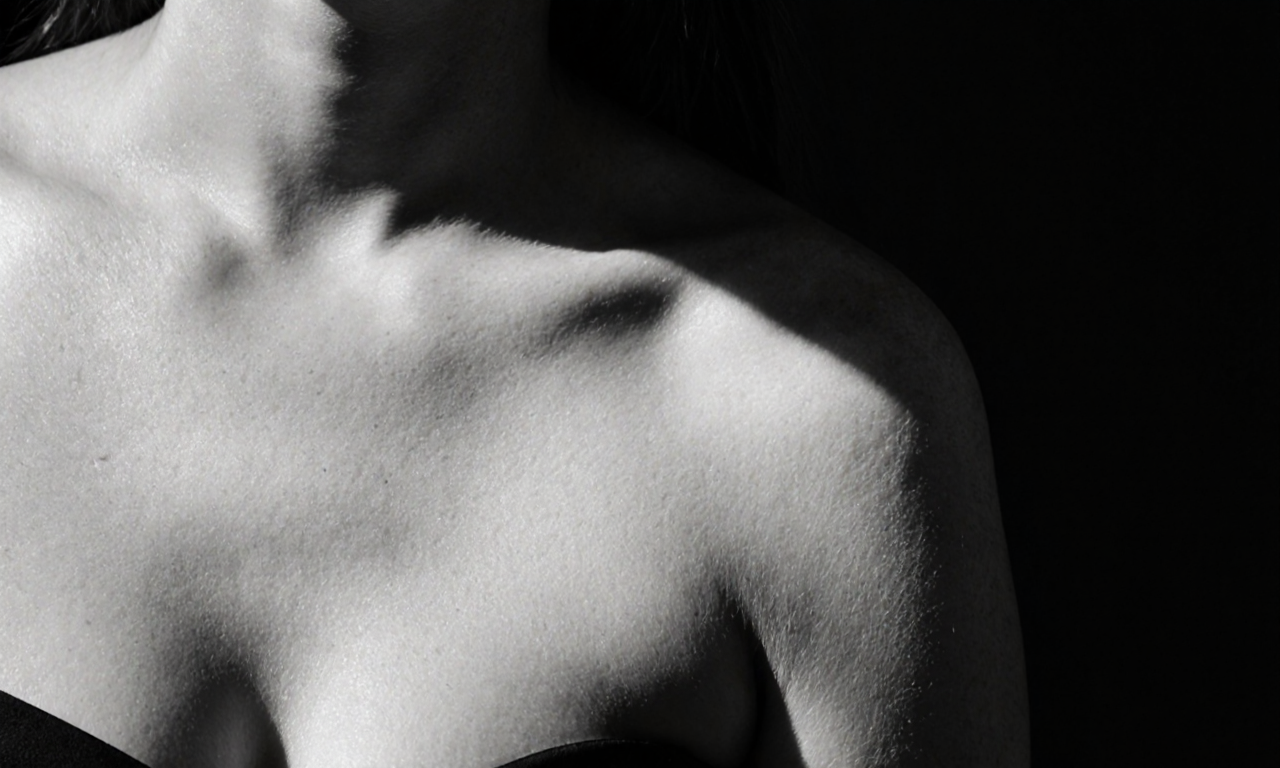
Breast Augmentation
Breast augmentation enhances the size, shape, and balance of the breasts to achieve a fuller, harmonious silhouette that still feels naturally you.

Procedure Overview
Breast augmentation is one of the most popular aesthetic procedures, chosen by women for a wide range of reasons, from restoring lost volume after pregnancy or weight loss, to creating better symmetry, or simply achieving the fuller shape they’ve always desired. The aim is not just enlargement, but proportion and balance that complement your body.
The procedure is typically performed using silicone or saline implants, with choices around implant size, shape, and placement tailored to your unique goals and anatomy. In some cases, breast augmentation can be combined with a lift to restore youthful contour. With modern techniques, results can feel soft and natural, enhancing both confidence and body harmony.
What to expect
-
Dr. de Chalain will talk with you about your goals, review your medical history, and guide you through implant options including size, shape, and placement. During your consultation you will have the opportunity to discuss whether augmentation alone or in combination with a lift is right for you. While there are a wide range of options available to you, your anatomy, particularly the width of your rib cage, will limit the maximum size increase you can achieve.
Before embarking on breast augmentation, Dr. de Chalain will discuss with you the risks associated with breast implants, including implant rupture, capsular contracture and the much rarer, so-called “Breast Implant Illness” and “Breast Implant associated Large Cell Lymphoma”
-
Breast augmentation is performed under general anaesthetic, so you’ll need to fast for a period beforehand. You may also be advised to adjust certain medications or supplements. Detailed pre-operative instructions will be provided to help you prepare for a safe, smooth recovery.
-
Incisions are located beneath the breast in the crease, where they are most discreet. The implant is then placed either behind the breast tissue or partially under the chest muscle. The procedure generally takes one to two hours.
-
Many patients return home the same day, but in some cases you may stay in the hospital overnight. Some tightness or discomfort is normal as the chest adjusts, particularly if your implants were placed beneath the chest muscle. This can be managed with medication, but avoid aspirin or aspirin-related medications unless instructed otherwise by your surgeon, as these can cause bleeding.
-
Swelling and bruising typically improve over the first one to two weeks. Light activity can usually be resumed within a few days, but exercise and heavy lifting should be avoided for around four to six weeks. Most patients feel comfortable returning to normal routines within two weeks, with results continuing to settle over the following months. You may experience a temporary loss of sensation in the breasts and the nipple area – this typically will resolve within two to three months as the nerves heal.
-
You’ll have follow-up appointments to check healing, remove drain and sutures if needed, and ensure your implants are settling well. Ongoing check-ins over the months following surgery help support your recovery and give you space to discuss any questions or adjustments.
Frequently Asked Questions
-
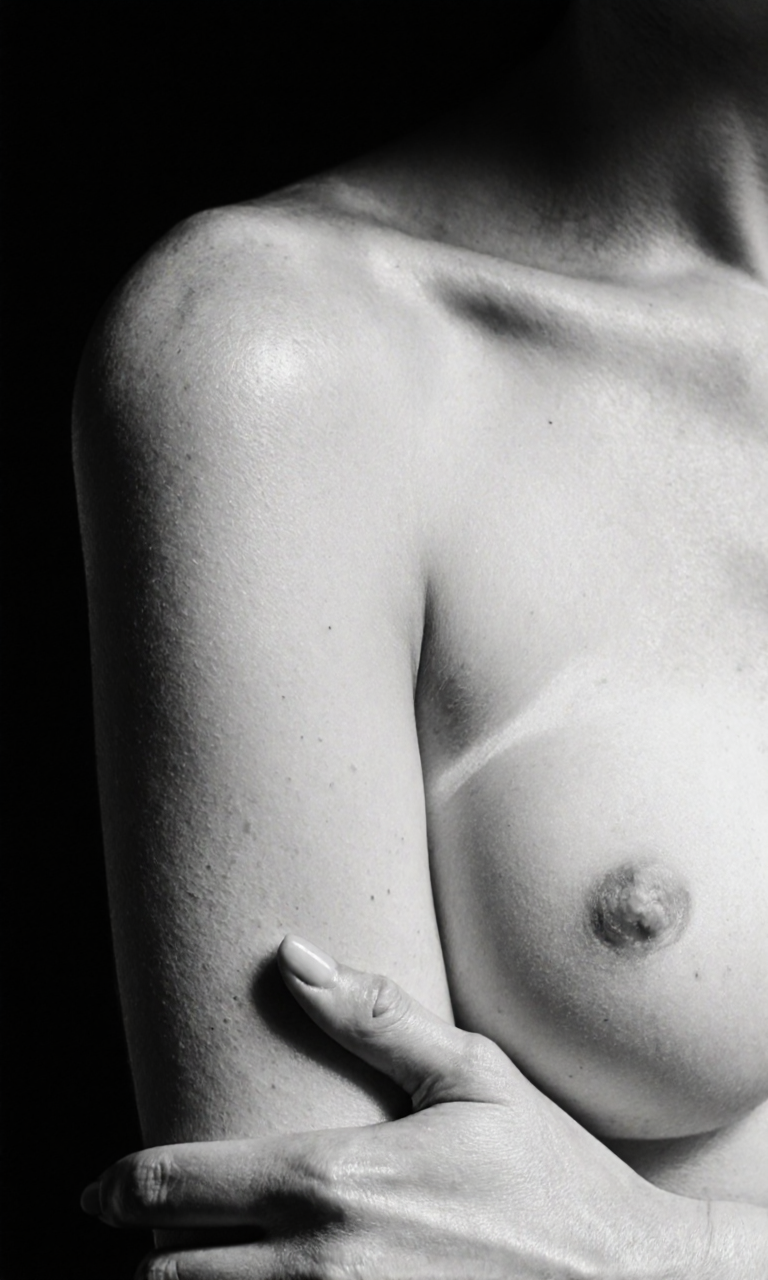
Choosing the right implant is a collaborative process between you and your surgeon. Factors like your body proportions, existing breast tissue, chest width, and aesthetic goals all play a role. Rather than simply increasing size, the focus is on creating a natural, balanced silhouette that suits your frame and personal style.
-
Round implants provide fullness throughout the breast, particularly in the upper pole, and are often chosen for a softer, rounded look. Anatomical implants (also called teardrop implants) are shaped to mimic the gentle slope of the natural breast, creating a more subtle contour.
The choice depends on your anatomy, desired outcome, and the surgeon’s recommendation. -
Yes — modern breast augmentation focuses on harmony and proportion rather than exaggeration. Careful implant selection and placement can create a soft, natural contour that moves and feels like your own body. In some cases, fat grafting may also be used to refine the shape and smooth transitions.
-
Implants can be positioned above or beneath the pectoral muscle, or in a dual-plane position. Each option has its own advantages, and Dr. de Chalain will recommend the best approach for your anatomy and goals. Submuscular or dual-plane placement often achieves the most natural results in patients with less natural breast tissue.
-
The most common incision sites are inframammary (under the breast fold), periareolar (around the areola), or transaxillary (in the armpit). The incision is carefully chosen to minimise visibility and optimise healing.
-
Most women can breastfeed after breast augmentation, though it depends on the surgical technique and individual anatomy. If breastfeeding is a future priority, this will be taken into account during surgical planning.
-
Breast implants are not considered lifetime devices, but many last well over a decade without issue. They don’t need to be routinely replaced unless there’s a concern (such as rupture, capsular contracture, or a change in your preferences over time). Regular follow-up with your surgeon is recommended.
-
Implants can be revised or removed in the future if desired. Many women undergo revision surgery years later to adjust size, shape, or remove their implants entirely. These decisions are very individual and can be made safely with proper planning.
-
Incisions are placed carefully to keep scars as discreet as possible, often hidden beneath the breast fold or around the areola. Over time, scars typically fade to fine, pale lines.
-
Your breasts will continue to age naturally, just as they would without implants. Factors like skin quality, weight fluctuations, and hormonal changes can all influence the shape over time. Some people choose to have a breast lift or revision procedure years later to maintain their preferred contour.
-
As with any surgery, there are risks, including infection, bleeding, implant rupture, or capsular contracture. Choosing a qualified, experienced surgeon and following careful aftercare protocols significantly reduces these risks. Dr. de Chalain will discuss these with you in detail during consultation.
-
Costs vary based on factors like the surgical approach taken and your individual anatomy. A detailed quotation is provided after your consultation. For more information on how we price our procedures, see our Pricing Information page.

Get In Touch
Want to learn more or ready to
book a consultation?