

Mole Removal
A gentle procedure designed to remove moles safely while maintaining your skin’s natural beauty.

Procedure Overview
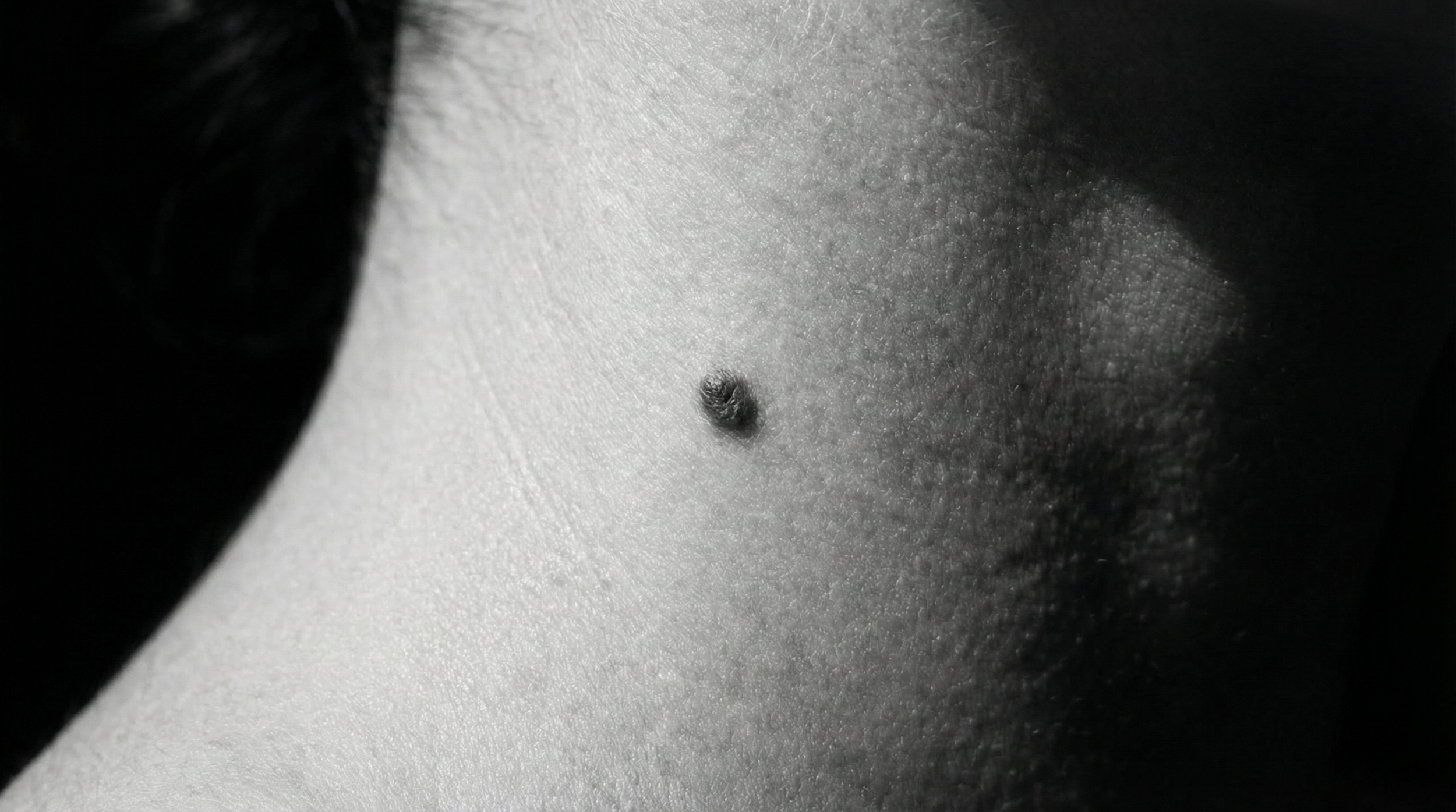
Moles are common skin growths, most of which are harmless. However, some may change in size, shape, or colour and require removal to rule out skin cancer or for aesthetic reasons. Surgical mole removal offers the advantage of complete excision, allowing the tissue to be examined under a microscope for peace of mind.
For moles that are raised or bothersome, removal can restore a smoother skin surface and a more even complexion. When carried out by an experienced plastic surgeon, the procedure is designed to minimise scarring and achieve a natural-looking result.

What to expect
-
At your consultation, Dr. de Chalain will assess the mole or lesion, discuss your concerns, and determine whether removal is necessary for medical or cosmetic reasons. If there are any suspicious features, he may recommend a biopsy or excision for histological testing.
-
Mole removal is typically performed under local anaesthetic, meaning you’ll be awake but the area will be completely numb. You may be asked to avoid certain medications or supplements beforehand to reduce the risk of bruising.
-
Your surgeon carefully excises the mole, either by shaving it flat with the skin or by removing it with a small margin of tissue to ensure complete clearance. The method chosen depends on the type and location of the mole. If stitches are required, they are placed with fine technique to minimise scarring.
-
A small dressing will be applied to protect the area. You can usually return to normal daily activities straight away, though you’ll be advised to keep the site dry for the first day or two. Mild redness or swelling is common in the first 24–48 hours.
-
Most mole removal sites heal quickly, with stitches (if used) typically removed within 5–10 days, depending on the location. Some scarring is inevitable, but with good wound care and time, scars generally fade and blend into the surrounding skin.
-
You will have a follow-up appointment to review healing and remove sutures if necessary. If the mole was removed for medical reasons, pathology results will be discussed. Dr. de Chalain may also recommend ongoing skin checks to monitor for new or changing lesions.
Frequently Asked Questions
-
Some patients want to remove a mole that’s bothersome or draws unwanted attention. For others, it’s a matter of health and peace of mind. If there’s any concern about skin changes, the mole can be sent for testing.
-
The area is gently numbed with local anaesthetic. Depending on the mole, it’s removed using either a shave or excision technique to achieve a smooth, refined result. If needed, the skin may be closed with fine sutures.
-
Moles that change in size, shape, or colour or begin to itch, bleed, or feel different should be professionally assessed. While most are harmless, early evaluation provides reassurance and, if needed, a clear treatment plan.
-
Aside from a quick sting during the anaesthetic injection, the procedure is usually pain-free. Any tenderness afterwards is typically mild and resolves quickly.
-
All mole removals leave some trace, but the goal is to make it as subtle as possible. Surgical precision, careful closure, and good aftercare help ensure a fine, discreet result that softens with time.
-
Most patients return to normal activities immediately. You’ll receive tailored aftercare instructions, and if stitches are used, they’ll be removed at a follow-up appointment.
-
If there’s any clinical concern, or if you wish, your mole can be sent for histological testing. This ensures nothing is overlooked.
-
Most moles can be removed safely and effectively. Dr. de Chalain will assess the mole’s size, location, and characteristics to determine the best approach for both your health and the aesthetic outcome.
-
The cost of mole removal depends on factors like the number of moles, the technique used, and whether testing is required. If the mole is removed for medical reasons, some costs may be covered by insurance or public funding. Cosmetic mole removals are usually self-funded. A detailed quote and discussion of payment options will be provided after your consultation. For more information on how we price our procedures, see our Pricing Information page.

Get In Touch
Want to learn more or ready to
book a consultation?