

Lip Lift
A lip lift shortens the space between the nose and upper lip, creating a naturally fuller, more youthful smile.
Procedure Overview
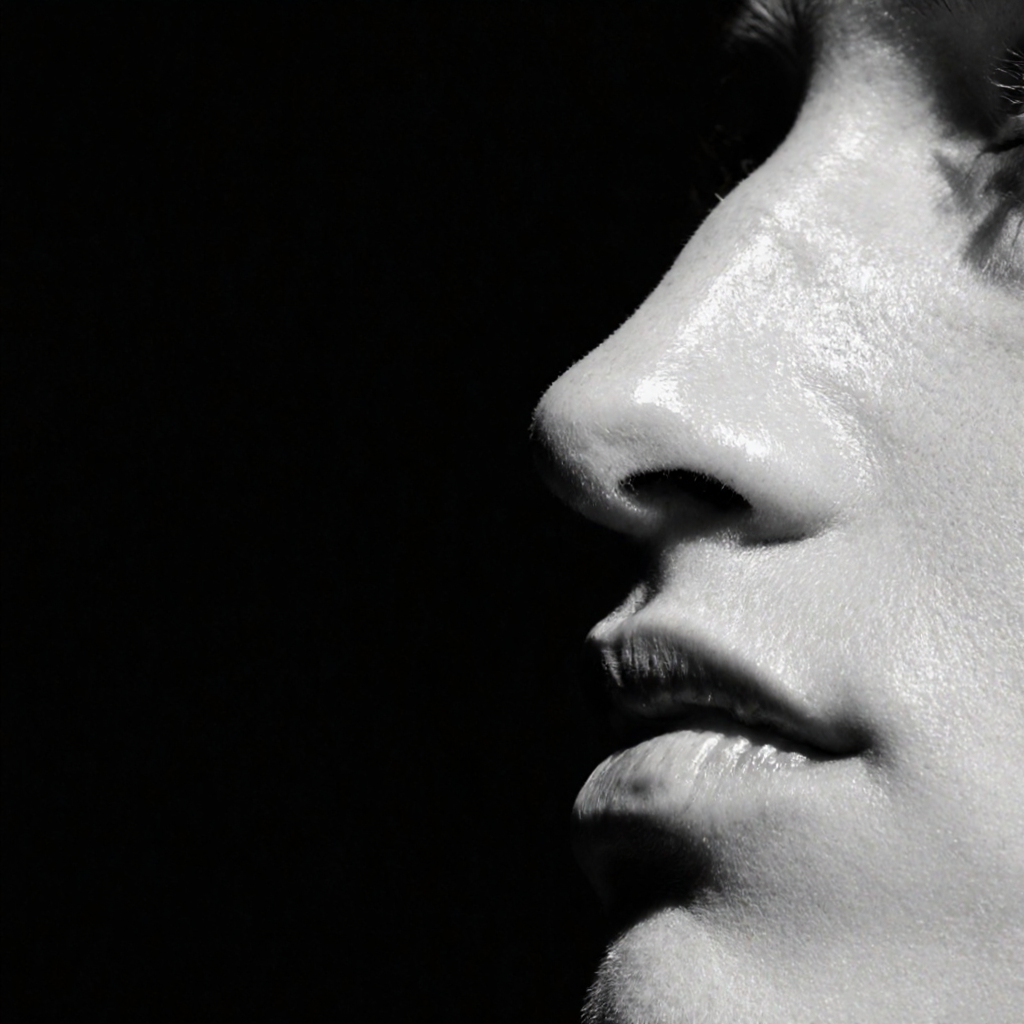
A lip lift is a refined surgical procedure that shortens the distance between the upper lip and the base of the nose, creating a fresher, more youthful balance to the face. The result is a subtly enhanced smile and a soft, natural harmony between the lips and surrounding features.
Over time, or simply through genetics, the space between the upper lip and nose can lengthen. This can cause the lips to appear thinner, the smile less defined, and the teeth less visible when you speak or smile. A lip lift gently repositions and reshapes the upper lip, restoring proportion and definition without the need for fillers.
Unlike temporary treatments, a lip lift offers a lasting improvement in lip shape and balance. By delicately reducing the length of skin above the lip, the procedure can create a fuller-looking upper lip, enhance the curve of the Cupid’s bow, and allow more of your natural teeth to show when you smile. The result is not an exaggerated or “done” look, but a refreshed and expressive appearance that feels in harmony with your face.

What to expect
-
Dr. de Chalain will carefully assess your facial proportions and lip shape, discussing your goals and whether a lip lift is the best approach for you. You’ll have the chance to ask questions and explore how this procedure compares with alternatives, such as lip augmentation with filler.
-
Because a lip lift is usually performed under local anaesthetic with sedation, there is little preparation required. You may be asked to stop certain medications or supplements that can increase bleeding, and to avoid smoking in the weeks before your procedure. Dr. de Chalain will give you clear guidance on how to prepare.
-
A small incision is made at the base of the nose, carefully hidden within the natural crease. A precise amount of skin is removed, and the upper lip is lifted and secured to create a more youthful balance. The procedure usually takes one to two hours, and the delicate placement of the incision helps ensure the scar blends discreetly over time.
-
You’ll be able to go home on the same day. The area will feel tight and mildly swollen, and you may have a small dressing or tape beneath the nose. Most patients are comfortable with oral pain relief and do not require stronger medication.
-
Bruising and swelling are common in the first week but typically settle quickly. Stitches are usually removed after about a week, and many people feel comfortable returning to social activities within 7–10 days. Makeup can help camouflage any residual redness while healing continues. It’s best to avoid strenuous activity, bending forward, or heavy lifting for the first couple of weeks.
-
You’ll return to the clinic within a week for suture removal and progress assessment. Additional follow-ups may be scheduled to monitor your healing and ensure your result is evolving as expected. With time, the scar beneath the nose typically fades into the natural crease and becomes barely noticeable.
Frequently Asked Questions

-
A lip lift may be suitable if the space between your nose and upper lip has lengthened over time, or if your upper lip appears thin, flat, or turned downward. It can also be an option for people who want to enhance their lips but feel that dermal fillers make the upper lip look heavy or unnatural. Ideal candidates have good overall health, realistic expectations, and a preference for structural refinement over volume enhancement.
-
The most common approach is the subnasal “bullhorn” lip lift, where a fine incision is made just beneath the base of the nose, hidden within its natural crease. Other variations, such as the corner lip lift or direct lip lift, may be used for specific goals, such as lifting the outer corners of the mouth or refining asymmetry. Dr. de Chalain will recommend the approach that best suits your anatomy and desired outcome.
-
A lip lift doesn’t add volume like fillers do, but it can make the upper lip appear fuller and more defined by revealing more of its natural shape. It enhances the balance between the lips and other facial features, creating a fresh, open expression that still feels authentically you.
-
The procedure is typically done under local anaesthetic with sedation. A small strip of skin is removed beneath the nose, and the upper lip is gently lifted and secured with fine sutures. The incision is hidden within the crease under the nostrils and fades well over time.
-
Swelling and mild tightness are common for the first week. Most people return to normal daily activities after 7–10 days, although full refinement continues over several weeks as swelling subsides. Makeup can usually be worn again after suture removal and once healing is complete.
-
The incision is placed just beneath the base of the nose, following its natural contours. In most cases, the scar becomes nearly imperceptible once fully healed. As with all facial surgery, meticulous technique and diligent aftercare help ensure the best aesthetic outcome.
-
Lip lift results are long-lasting, as the skin and underlying structures are surgically lifted rather than temporarily augmented. Natural ageing will continue, but the improved proportion and definition are maintained for many years.
-
Yes. A lip lift is often combined with facelift, blepharoplasty, or fat grafting to enhance overall facial harmony. It can also complement or replace dermal filler treatments for patients seeking a more permanent, structural improvement.
-
Fillers add volume, while a lip lift refines structure and proportion. For patients who have had filler but feel their upper lip looks heavy or lacks definition, a lip lift can restore a lighter, more youthful balance. Some people choose to have both — a lip lift for shape and fillers to add soft fullness.
-
Costs vary based on the approach taken for your individual anatomy. A detailed quotation will be provided to you after your consultation. For more information on how we price our procedures, see our Pricing Information page.

Get In Touch
Want to learn more or ready to
book a consultation?