

How to Prepare for Your First Plastic Surgery Consultation
Booking a plastic surgery consultation can feel like a significant step. Whether you're considering surgery for cosmetic or reconstructive reasons, it's natural to arrive with a mixture of curiosity, excitement and apprehension.
Many people worry that a consultation means they're committing to surgery. In reality the opposite is true. A consultation is an opportunity to ask questions, explore your options and receive personalised advice. For some patients surgery is the right path, while for others it may not be. Coming prepared can help you get the most value from the conversation.

What Makes a Face Look Tired? Understanding the Causes and Choosing the Right Approach
Often we’ll hear from patients that although they’re getting plenty of sleep and feel well-rested, people tell them they’re looking tired.
What’s interesting is that a “tired” appearance is rarely caused by a single issue. In most cases it’s the result of subtle changes in facial structure, skin quality or expression that alter how light, shadow, and emotion are perceived. Understanding the cause of these changes is important, because the right treatment for one person may be completely inappropriate for another.
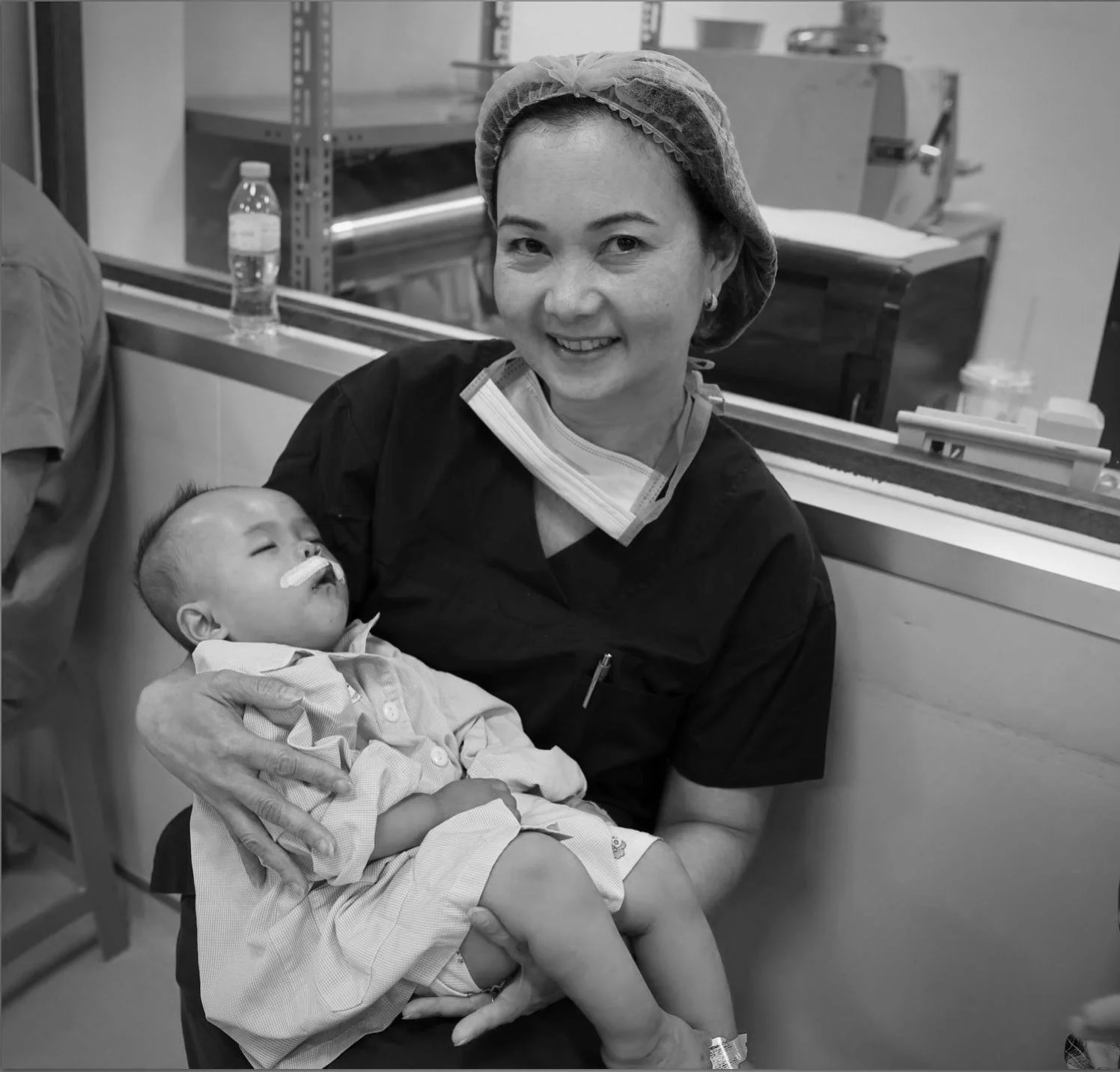
Returning to Vietnam with Operation Restore Hope
Earlier this month, Tristan travelled to Hanoi, Vietnam as part of an international volunteer team with Operation Restore Hope, a charitable organisation providing reconstructive surgery for children and young people with cleft lip, cleft palate and other congenital conditions.
This marked Operation Restore Hope's 27th mission and its third visit to Vietnam. Working in partnership with 108 Military Central Hospital in Hanoi, the team brought together surgeons, anaesthetists, nurses and allied health professionals from New Zealand, Australia, the United Kingdom, Germany and Vietnam.

“Ozempic Face”: Why the Face Changes After Weight Loss — and What Can Help
Weight loss can bring many positive changes, including improved health, increased energy and a greater sense of wellbeing. But for some people, particularly after significant or rapid weight loss, it can also lead to unexpected changes in the face.
A common concern we hear from patients who have lost a significant amount of weight is: “I feel better, but I look more tired or older than I expected.” This isn’t unusual. Understanding why it happens is the first step toward deciding whether and how to address it.

Injectables vs. Surgery: Which Approach Is Right for You?
When it comes to aesthetic treatments, one of the most common questions we hear is: should I choose injectables, or is surgery the better option?
The answer isn’t one-size-fits-all. Both approaches have an important place in modern aesthetic medicine, and often the most natural and satisfying results come from understanding what each can (and can’t) do.

How Neck Lifts Work with Other Facial Surgeries
A neck lift can dramatically improve the appearance of the neck and jawline, addressing sagging skin, excess fat, and prominent neck cords. However, many patients seeking a more youthful appearance may benefit from combining a neck lift with other facial rejuvenation procedures.

Mummy Makeover NZ – Making Sense Of It All
It seems that everyone is talking about mummy makeovers these days, but what exactly are they and why should you care?
While pregnancy is a wonderful time in a woman’s life, some would say the crowning achievement of being a woman, no one can deny that there are downsides – the swollen ankles, the backache, the tiredness, the general discomfort and the wreckage of your girlish figure. Of course, the benefits are undeniable too; the production of a tiny, brand new human, a living embodiment of your love and the focus of your maternal instincts for the next two decades or more. But therein lies the problem. Motherhood demands that you focus almost exclusively on the needs of your child (or worse, children) to the exclusion of your own needs. Add to that the demands of a job, of running a home, and of keeping a relationship going and there’s precious little time left to take care of yourself. In short, motherhood means near-total loss of precious “me-time”.