
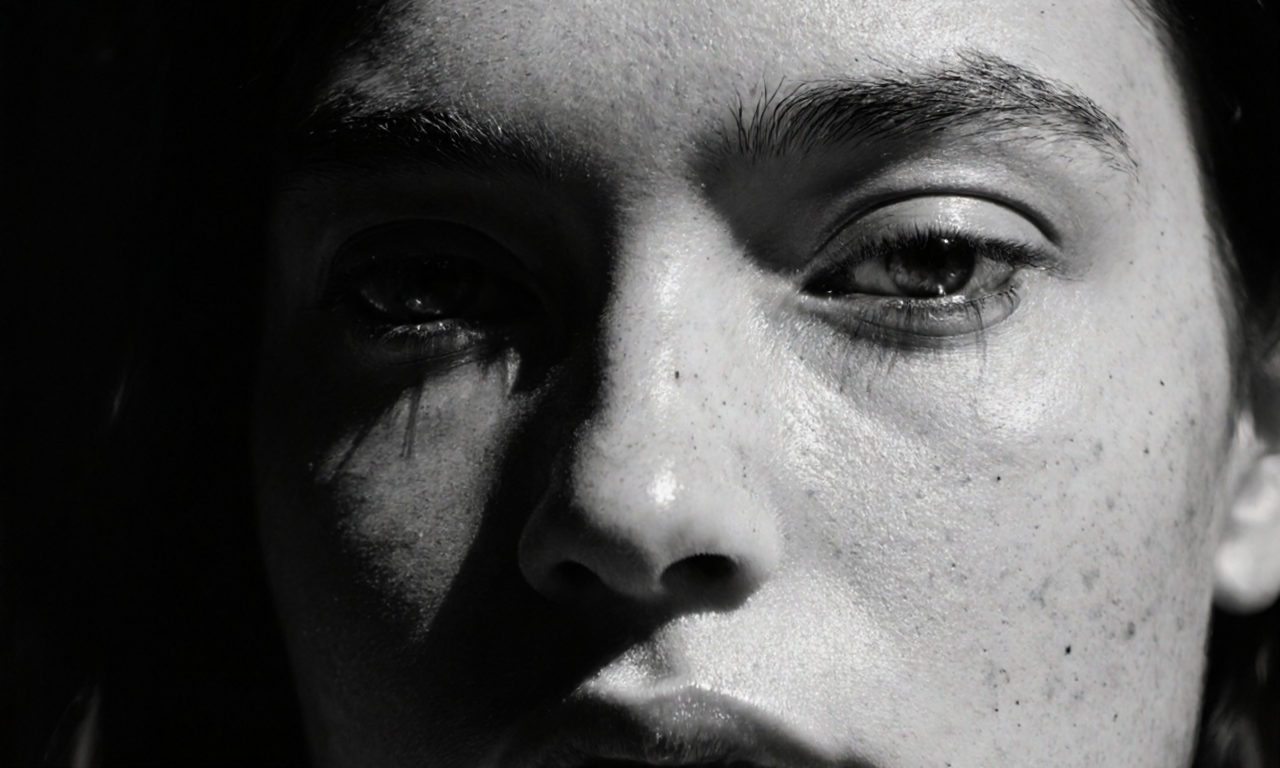
Ptosis Correction
Ptosis correction restores balance to drooping upper eyelids, opening the eyes for a brighter, more alert expression.
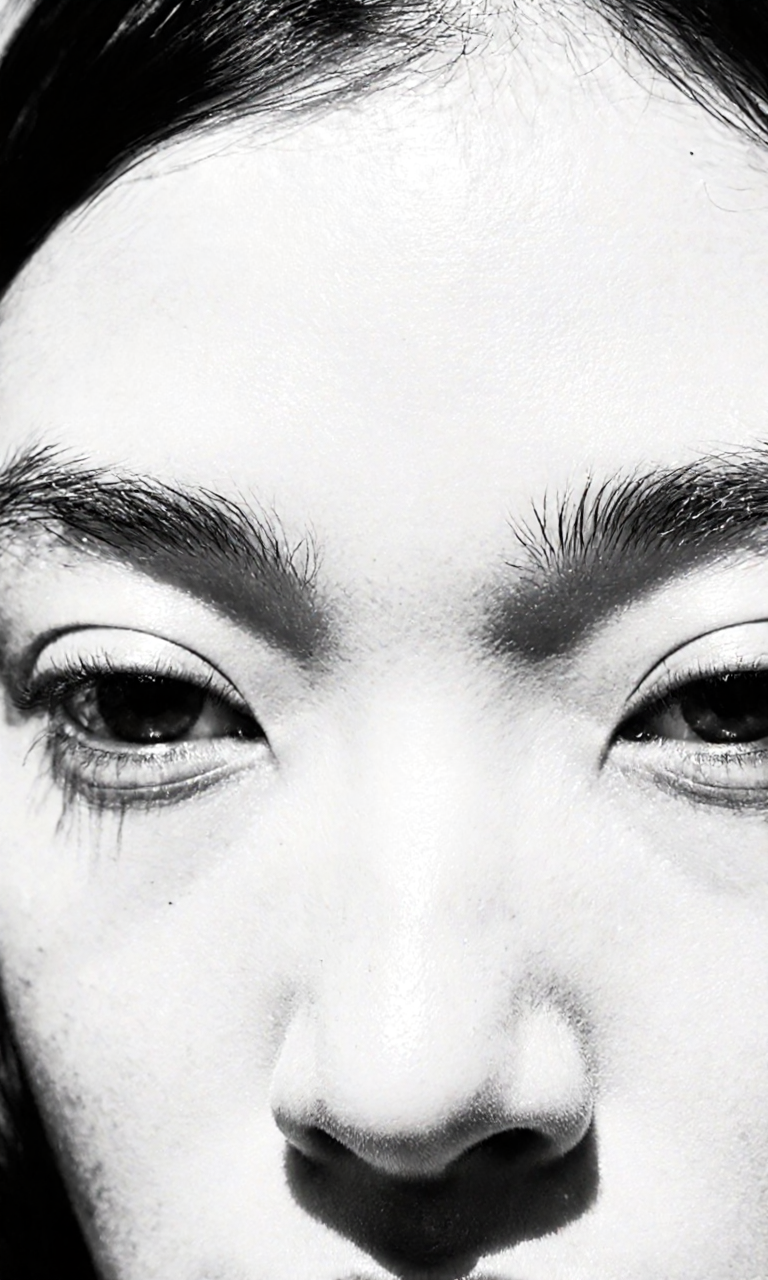
Procedure Overview
Ptosis is the medical term for drooping of the upper eyelid, which may be present from birth or develop gradually with age. When the eyelid sits lower than it should, it can make the eyes look tired or asymmetrical — and in more significant cases, even interfere with vision.
Ptosis correction surgery strengthens or shortens the muscles responsible for lifting the upper lid, restoring a more natural position and improving both function and appearance. The aim is subtle refinement: to open the eyes in a way that looks refreshed and balanced, while preserving their individual character.

What to Expect
Initial Consultation
Dr. de Chalain will carefully examine your eyelid position, muscle function, and overall eye health. He will discuss your goals, whether the main concern is cosmetic, functional, or both, and help determine the most suitable surgical approach.
Immediately After
You can usually return home the same day. Mild swelling, bruising, and a sensation of tightness or heaviness around the eyelids are common. Ointments or eye drops may be prescribed to keep the eyes comfortable during the early healing period.
Before Surgery
Ptosis correction is usually performed under local anaesthetic with sedation, or sometimes under general anaesthetic depending on your needs. You’ll be asked to follow specific pre-operative instructions, including fasting (if required) and pausing certain medications.
Recovery
Most swelling and bruising subside within 1–2 weeks, and light activities can typically be resumed during this time. Your final eyelid position continues to refine as the tissues settle over the following weeks. Protecting the eyes from sun and avoiding strenuous activity will support smooth healing.
During Surgery
A small incision is made in the natural crease of the upper eyelid. Through this, the eyelid-lifting muscle (levator or Müller’s muscle, depending on the case) is tightened or shortened to elevate the lid to a more natural position. The incision is carefully closed to minimise visible scarring.
Post-Operative Follow-Up
You’ll return for follow-up visits so your surgeon can monitor healing, remove sutures if required, and ensure the eyelid position is balanced. These appointments also provide an opportunity to discuss your progress and address any concerns as results continue to improve.
Frequently Asked Questions
-
Ptosis can be congenital (present from birth) or acquired later in life. The most common cause in adults is age-related — the levator muscle stretches over time, often accelerated by contact lens wear, previous eye surgery, or trauma. Less commonly, it can be linked to neurological or muscular conditions.
-
This is one of the most common questions patients ask. A blepharoplasty removes excess eyelid skin and fat for a smoother, refreshed contour. Ptosis correction, on the other hand, targets the muscle that lifts the eyelid itself.
If your eyelids look heavy due to loose skin alone, blepharoplasty may be sufficient. If the actual lid margin sits low and partially covers your pupil, giving a tired, hooded, or asymmetric appearance, ptosis correction may be required, sometimes in combination with blepharoplasty for the most natural result.
-
Yes, by elevating the eyelid to a more natural, symmetrical position, the eyes appear more open, balanced, and alert. However, the goal is not to change your features, but to restore harmony and vitality to your expression.
-
Ptosis can sometimes interfere with the upper field of vision if the eyelid droops low enough to cover the pupil. In such cases, ptosis correction can have a functional benefit by lifting the eyelid out of the visual axis. Even when performed for aesthetic reasons, the procedure can still enhance comfort and clarity of sight.
-
Swelling and mild bruising are normal for the first one to two weeks. Most people return to work and social activities within ten days. The incision is hidden in the natural eyelid crease, and the eyelid position continues to refine over several weeks as the tissues settle.
-
Yes, when performed by an experienced facial plastic surgeon, the result should look completely natural, simply restoring symmetry and openness to the eyes. Careful adjustment of the levator muscle ensures your eyelids move and blink normally, preserving your natural expression.
-
Yes. Ptosis correction is often combined with upper blepharoplasty to address both muscle and skin concerns in a single procedure. It may also complement lower eyelid surgery, brow lift, or other facial rejuvenation treatments for balanced results.
-
Results are typically long-lasting. While the eyelids will continue to age naturally, most patients maintain the improved eyelid position for many years. Proper surgical technique and gentle postoperative care help ensure durability.

Get In Touch
Want to learn more or ready to book a consultation?