
Canthopexy
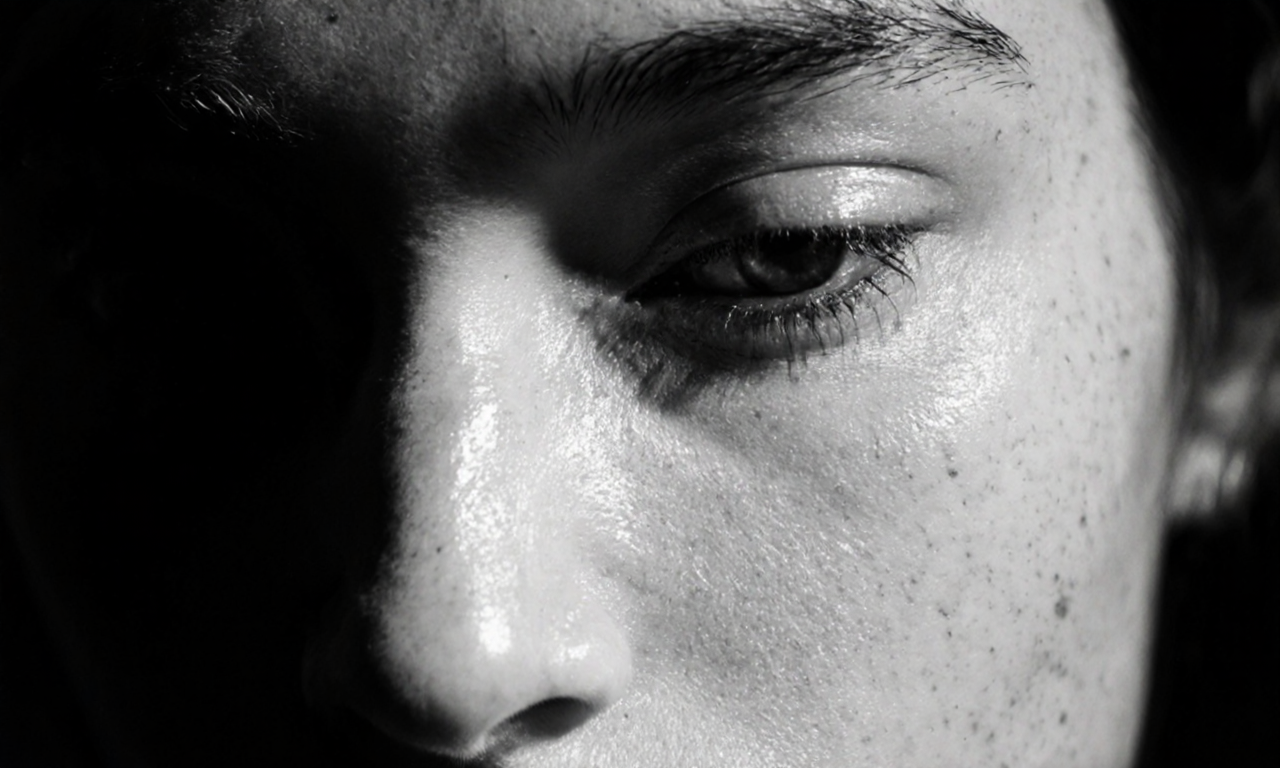
Canthopexy is a delicate procedure that subtly lifts and supports the outer corner of the eye, restoring a refreshed and harmonious contour.
Procedure Overview
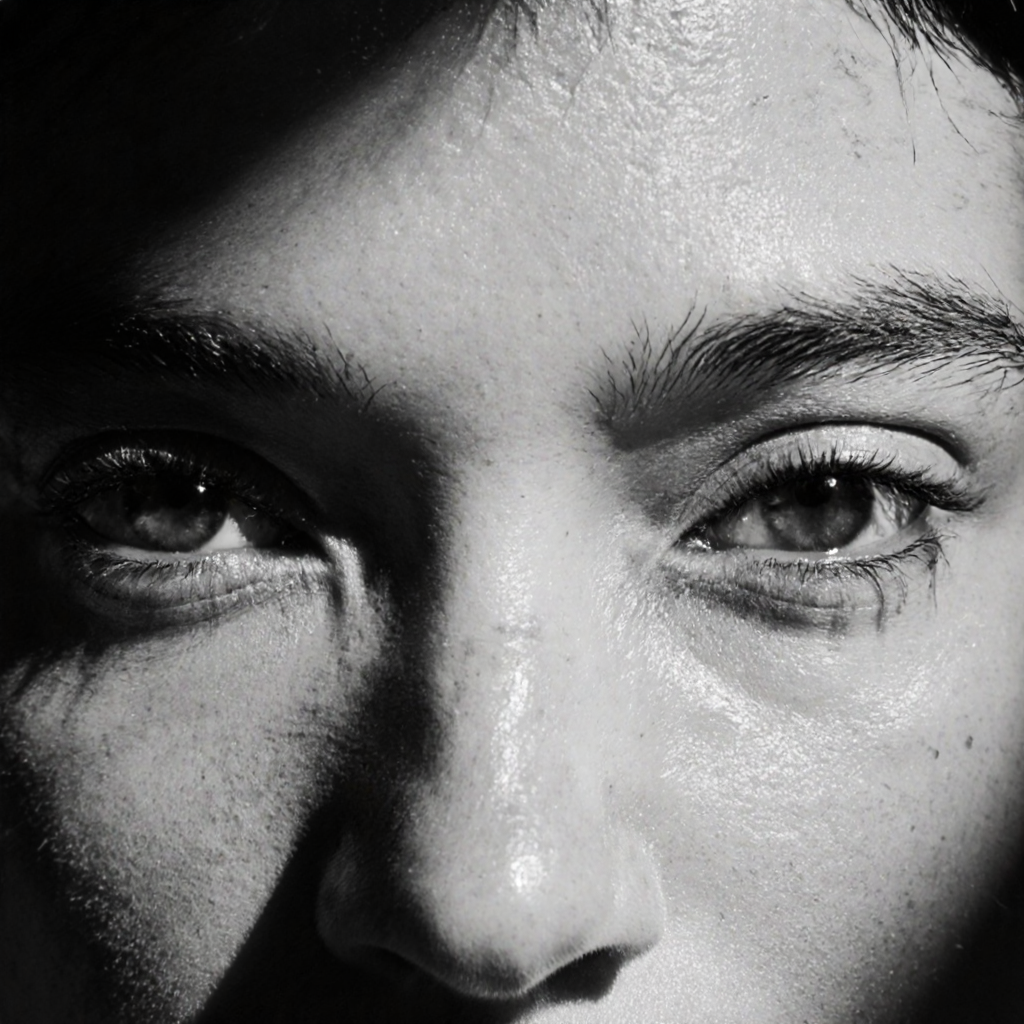
The outer corners of the eyes play an important role in facial expression. With age, genetics, or previous surgery, the tendons that support this area can weaken, leading to drooping, laxity, or a tired look around the eyes. Canthopexy is a specialised surgical technique designed to reinforce and gently elevate the lateral canthus (the outer corner of the eye), restoring strength and balance without altering your natural expression.
This procedure is often performed on its own to refine eye shape, but it may also complement eyelid surgery or a midface lift to achieve a more cohesive, youthful result. Because it focuses on structural support rather than removing tissue, canthopexy can deliver subtle yet long-lasting improvements while preserving the natural character of your eyes.

What to Expect
Initial Consultation
Your surgeon will assess the tone of your eyelids, the position of the outer corners, and your overall facial balance. You’ll discuss your goals and whether canthopexy alone, or in combination with other procedures, will best address your concerns.
Immediately After
You can usually go home the same day. Mild swelling, tightness, and bruising around the eyes are expected in the first few days. Cold compresses and ointments may be recommended to support comfort and healing.
Before Surgery
Canthopexy can be performed under local anaesthetic, so in most cases there will be no need for fasting in advance of surgery. You will receive personalised instructions on preparing for surgery.
Recovery
Swelling and bruising typically improve within 1–2 weeks, with most patients resuming normal activities around this time. Protecting the eyes from sun and avoiding strenuous activity in the early weeks helps ensure the best outcome.
During Surgery
A small incision is made in the natural crease at the outer corner of the eye. Through this, the supporting tendon is tightened and anchored to provide subtle lift and stability. The incision is carefully placed to minimise visibility once healed.
Post-Operative Follow-Up
You’ll return to the clinic for follow-up appointments to monitor healing, remove any sutures if necessary, and ensure the eyelids are settling smoothly. These visits provide reassurance and guidance as your final results emerge.
Frequently Asked Questions

-
Canthopexy is often recommended for people whose lower eyelids have become loose or slightly descended with age, or as a supportive step during lower blepharoplasty to prevent the eyelid from pulling downward. It may also be performed for aesthetic reasons, to create a subtle “cat-eye” or lifted outer corner shape in patients with good skin tone and minimal excess skin.
-
A canthopexy tightens and supports the outer eyelid corner without cutting or detaching the canthal tendon. A canthoplasty, on the other hand, involves releasing and repositioning the tendon to rebuild the outer eyelid structure. Canthoplasty is used for more significant sagging or reconstructive needs, while canthopexy is preferred for mild laxity or as a preventive measure.
-
A canthopexy can subtly lift and elongate the outer corners of the eyes, giving a refreshed or slightly more almond-shaped appearance. However, the goal is a natural look that maintains your unique eye shape. Overcorrection or exaggerated “fox-eye” results are avoided in well-performed, anatomically respectful surgery.
-
Canthopexy is often performed in combination with lower blepharoplasty to support the eyelid and maintain a smooth, youthful contour. It can also accompany upper blepharoplasty, brow lift, or mid-face lift for a harmonious result. When done alone, it’s typically a shorter, less invasive procedure.
-
Recovery is usually straightforward. Swelling and mild bruising around the outer eyes are common for the first 1–2 weeks. Most people return to work and social activities within 7–10 days. The incision is placed discreetly in the outer corner of the eyelid crease and fades well over time.
-
No, when performed by an experienced facial plastic surgeon, canthopexy does not affect vision or eye movement. The procedure focuses only on the supporting structures of the eyelid, not the eye itself.
Learn More



Get In Touch
Want to learn more or ready to book a consultation?