
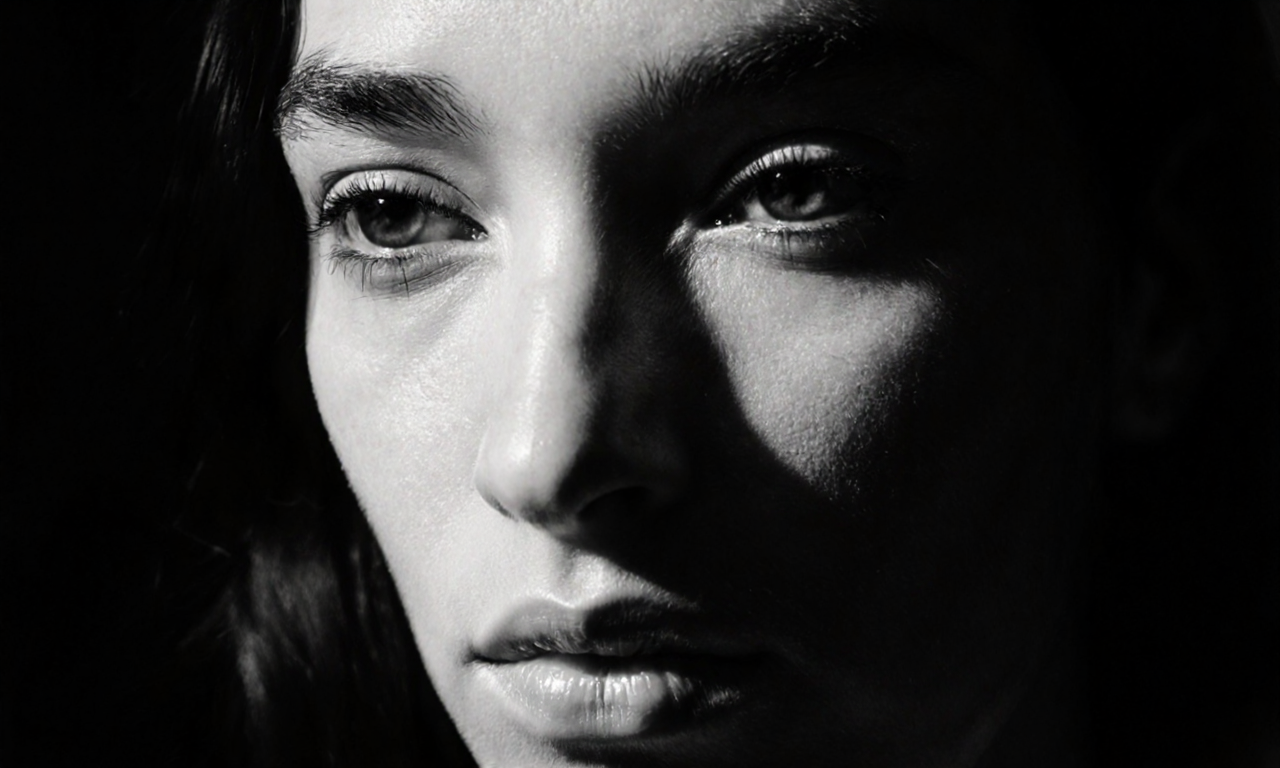
Mid-Face Lift
A mid-face lift restores gentle support to the cheeks and under-eye area, enhancing contours for a refreshed, natural expression.
Procedure Overview
As we age, the mid-face (including the cheeks and lower eyelids) can begin to descend, creating hollowness beneath the eyes, deeper nasolabial folds, and a tired appearance. A mid-face lift repositions the underlying tissues, restoring youthful volume to the cheeks and brightening the eyes.
This procedure is often chosen by those who notice early jowling or flattening of the mid-face but are not yet ready for a full facelift. It can also be combined with other facial rejuvenation techniques, such as a brow lift, eyelid surgery, or non-surgical treatments, for a balanced and harmonious result. Loose skin or muscle banding beneath the chin and jawline is addressed by a different procedure, a neck lift.
Modern surgical approaches allow the midface to be lifted with discreet incisions, typically hidden inside the mouth or within the creases of the lower eyelids. Results are designed to be subtle and refined, enhancing your features rather than changing them.
What to Expect
Initial Consultation
Dr. de Chalain will carefully assess your facial structure, skin quality, and areas of concern. Together, you will discuss your goals and create a tailored plan, which may include a midface lift on its own or in combination with other procedures.
Immediately After
Most patients go home the same day, though an overnight stay may be recommended in some cases. Dressings or bandages may be applied and are typically removed within 24 hours. You’ll be advised to rest with your head elevated to help minimise swelling.
Before Surgery
Midface lifts are usually performed under general anaesthetic. You will be asked to fast for a period of time before your procedure, and you’ll receive specific guidance about medications, smoking cessation, and skincare to prepare for surgery and recovery.
Recovery
Bruising and swelling are most noticeable in the first week, especially around the eyes and cheeks, and generally improve within 7–10 days. Some swelling may persist for several weeks. Ice packs and elevation can help reduce discomfort. Surgery-safe mineral makeup can be used to camouflage bruising once healing allows – this is available from our clinic. You will be given clear instructions on wound care and activity restrictions to support your recovery.
During Surgery
Very small incisions are placed in areas where they will be naturally concealed, most often inside the mouth or along the natural crease of the lower eyelid. Through these, the deeper tissues of the cheek are gently lifted and secured to restore the natural curve of the midface. The skin is then redraped to create a smooth, refreshed contour without visible signs of surgery.
Post-Operative Follow-Up
You will return to the clinic for follow-up visits so we can monitor your healing and answer any questions. Sutures are usually removed 7–14 days after surgery, and if surgical screws are used, these are typically removed at around 10 days. Dr. de Chalain and our expert team will guide you through each stage to ensure your recovery is progressing smoothly.
Frequently Asked Questions
-
A mid-face lift focuses specifically on the central face (the cheeks and under-eye area), whereas a full facelift also targets the lower face and jawline.
-
It’s ideal for people who have lost cheek volume, developed flattening or sagging through the mid-face, or notice deepening folds around the mouth, but who still have good jawline definition and don’t yet need a full facelift.
-
The procedure can be performed through small incisions hidden in the lower eyelid or inside the mouth. The deeper cheek tissues are lifted and repositioned to restore natural fullness, reducing the need for filler in this area.
-
Most patients experience mild swelling or bruising for one to two weeks. Discomfort is typically minimal and improves within a few days. Many return to work and light activities after about 10 days, though final results take several weeks to settle.
-
No — modern techniques reposition the deeper tissues rather than simply tightening the skin. The goal is to restore your natural facial structure, creating a refreshed and balanced appearance without changing your expression.
-
Results typically last 7–10 years, depending on age, genetics, and lifestyle factors. While ageing continues, your face will always look more youthful than if you hadn’t had the procedure.
-
Yes. It’s often combined with a lower eyelid lift (blepharoplasty), temple lift, or full facelift for a harmonious result across the entire face. Non-surgical treatments like laser resurfacing or skin tightening can further enhance outcomes.
-
Incisions are carefully placed either along the lash line of the lower eyelid or inside the mouth, making them discreet once healed. In most cases, scars fade to near-invisibility over time.
-
Costs depend on the exact technique and whether it’s combined with other procedures. A personalised quotation is provided following your consultation. For more information on how we price our procedures, see our Pricing Information page.
Learn More



Get In Touch
Want to learn more or ready to book a consultation?